Transfected Stable Cell Lines
Reliable | High-Performance | Wide Rage
Precision reporter, kinase, immune receptor, biosimilar, Cas9, and knockout stable cell lines for diverse applications.


Cat. No. : CSC-RT1811
Target Gene : EGFR Host Cell : HeLa
Size : >1x10⁶ cells/vial Validation : Sequencing
| Cat. No. | CSC-RT1811 |
| Description | HeLa -EGFR(-/-) is a stable cell line with a homozygous knockout of human EGFR using CRISPR/Cas9. |
| Target Gene | EGFR |
| Host Cell | HeLa |
| Host Cell Species | Homo sapiens (Human) |
| Size | >1x10⁶ cells/vial |
| Validation | Sequencing |
| Storage | Liquid nitrogen |
| Shipping | 1 vial of knockout cell line |
| Revival | Rapidly thaw cells in a 37°C water bath. Transfer contents into a tube containing pre-warmed media. Centrifuge cells and seed into a 25 cm2 flask containing pre-warmed media. |
| Media Type | Cells were cultured in DMEM supplemented with 10% fetal bovine serum. |
| Growth Properties | Cells are cultured as a monolayer at 37°C in a humidified atmosphere with 5% CO2. Split at 80-90% confluence, approximately 1:4-1:6. |
| Freeze Medium | Complete medium supplemented with 10% (v/v) DMSO |
| Mycoplasma | Negative |
| Format | One frozen vial containing millions of cells |
| Storage | Liquid nitrogen |
| Safety Considerations |
The following safety precautions should be observed. 1. Use pipette aids to prevent ingestion and keep aerosols down to a minimum. 2. No eating, drinking or smoking while handling the stable line. 3. Wash hands after handling the stable line and before leaving the lab. 4. Decontaminate work surface with disinfectant or 70% ethanol before and after working with stable cells. 5. All waste should be considered hazardous. 6. Dispose of all liquid waste after each experiment and treat with bleach. |
| Ship | Dry ice |
| Gene Name | EGFR |
| Gene Symbol | EGFR |
| GeneID | 1956 |
The epidermal growth factor receptor (EGFR) gene is located on chromosome 7p11.2 and encodes a transmembrane protein that belongs to the receptor tyrosine kinase (RTK) family. This protein plays a crucial role in processes such as cell proliferation, differentiation, and survival. Upon binding to its specific ligands, such as epidermal growth factor (EGF) and transforming growth factor-α (TGF-α), EGFR dimerizes and autophosphorylates on tyrosine residues within the intracellular domain. This activation triggers several intracellular signaling cascades, such as the RAS-RAF-MEK-ERK and PI3K-AKT-mTOR pathways, which are essential for regulating various cellular functions.
Mutations and overexpression of the EGFR gene are often associated with a variety of cancers, including non-small cell lung cancer (NSCLC), glioblastoma, and colorectal cancer. These genetic alterations can lead to constitutive activation of the receptor, promoting uncontrolled cell proliferation and survival, leading to tumor formation. The identification of such mutations has led to the development of EGFR-targeted therapies. Tyrosine kinase inhibitors (TKIs) such as gefitinib, erlotinib, and afatinib specifically target the ATP-binding site of EGFR, thereby inhibiting its kinase activity and subsequent downstream signaling. In addition, monoclonal antibodies such as cetuximab and panitumumab are designed to bind to the extracellular domain of EGFR, preventing ligand binding and receptor activation.
STING (stimulator of interferon genes) mediates protective cellular responses to microbial infection and tissue damage, but its aberrant activation leads to autoinflammatory diseases. Upon ligand stimulation, the endoplasmic reticulum (ER) protein STING translocates to endosomes to induce interferon production, whereas an alternative trafficking pathway delivers it directly to autophagosomes. Here, researchers show that phosphorylation of specific tyrosine residues in STING by the epidermal growth factor receptor (EGFR) is required to direct STING to endosomes, where it interacts with the downstream effector IRF3. In the absence of EGFR-mediated phosphorylation, STING rapidly translocates to autophagosomes, and IRF3 activation, interferon production, and antiviral activity are impaired in cell culture and mice, whereas autophagic activity is enhanced.
Here, researchers show that STING signaling requires the action of EGFR to activate IRF3, but not NF-κB (Figure 1A-D). STING activation of IRF3 requires the interaction of both proteins as well as TBK1 (IRF3 kinase). After cGAMP stimulation, IRF3 co-immunoprecipitated with STING, but this interaction did not occur after gefitinib treatment (Figure 1D) or in EGFR knockout cells (Figure 1E). Confocal microscopy also demonstrated STING-IRF3 interaction (Figure 1F). After activation, IRF3 may leave STING and move to the nucleus (Figure 1H). The above analysis concluded that STING recruitment to IRF3 and IRF3 activation occur in late endosomes and that they require EGFR kinase activity. However, in the absence of EGFR activity, STING Ser366 phosphorylation was not affected. The kinetics of Ser366 phosphorylation were very similar in WT Hela cells, EGFR knockout Hela cells, and gefitinib-treated Hela cells (Figure 1G), indicating that EGFR does not act by promoting Ser366 phosphorylation.
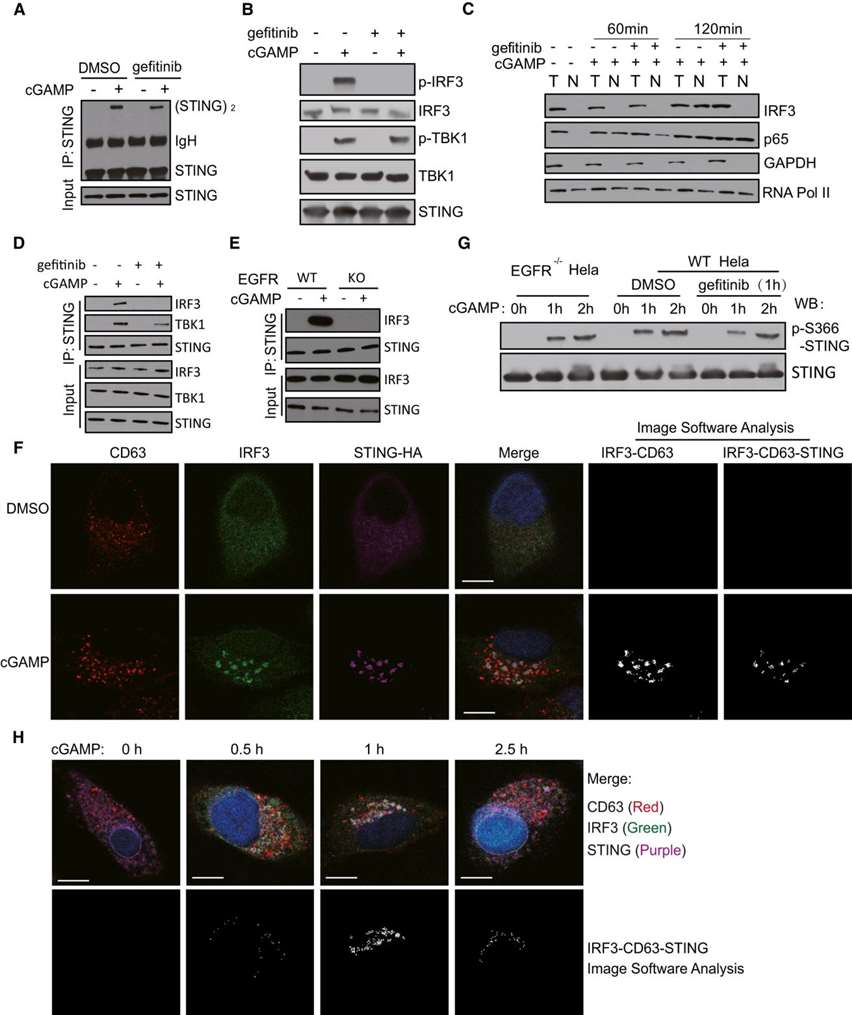 Figure 1. EGFR kinase activity is required for IRF3 activation. (Wang C, et al., 2020)
EGFR (Epidermal Growth Factor Receptor) signaling plays a key role in the development and progression of various cancers. Here are some potential applications of EGFR Knockout Cell Line-HeLa:
Cancer Research: EGFR knockout HeLa cells are widely used to study the role of EGFR in cancer development and progression. By observing changes in cell behavior, proliferation, and apoptosis when EGFR is lost, researchers can better understand its role in tumorigenesis.
Drug Screening: These cell lines provide a valuable tool for high-throughput screening of anticancer drugs. They help identify compounds that specifically target pathways altered by EGFR loss, thereby facilitating the development of targeted therapies.
Signal Transduction Studies: EGFR is an important component of multiple signaling pathways that regulate cell growth and survival. Knockout HeLa cells allow scientists to dissect these pathways and understand how EGFR loss affects downstream signaling events.
Drug Resistance Mechanisms: Studying EGFR knockout HeLa cells helps understand how cancer cells become resistant to EGFR inhibitors.
Genomic Studies: These cells can be used in genetic studies to identify additional genes and molecular pathways that interact with or compensate for EGFR loss, providing insight into the genetic networks that control cellular function and malignancy.
A: DMEM supplemented with 10% fetal bovine serum. <br> It is not required to add the selection antibiotics when culturing the KO cells.
A: The knockout cell product is validated by PCR amplification and Sanger Sequencing to confirm the mutation at the genomic level. Please find the detailed mutation info in the datasheet.
A: Single clonal cell.
A: No. This knockout cell product is generated using the CRISPR/Cas9 system to induce small insertions or deletions (indels) resulting in frameshift mutations. Although these frameshift mutations typically disrupt the coding gene, there is a possibility that the non-functional transcript may still be transcribed. Consequently, this could potentially yield misleading results when analyzed by RT-qPCR.
A: The cell line should be stored in liquid nitrogen for long-term preservation.
A: For most cases, we often keep at least 2 clones with different frameshift mutations. Please feel free to contact us to check if there are additional available clones.
If your question is not addressed through these resources, you can fill out the online form below and we will answer your question as soon as possible.
The EGFR Knockout Cell Line-HeLa we purchased exceeded our expectations in terms of performance. The knockout was validated efficiently, and we were able to observe the effects on cell signaling and proliferation with remarkable clarity in our experiments.
As a researcher focused on targeted cancer therapies, the EGFR Knockout Cell Line-HeLa has been invaluable. The cells are easy to culture and provide consistent results, which is critical for our drug testing protocols.
Write a review of your use of Biogene products and services in your research. Your review can help your fellow researchers make informed purchasing decisions.
Copyright © 2026 Creative Biogene. All rights reserved.