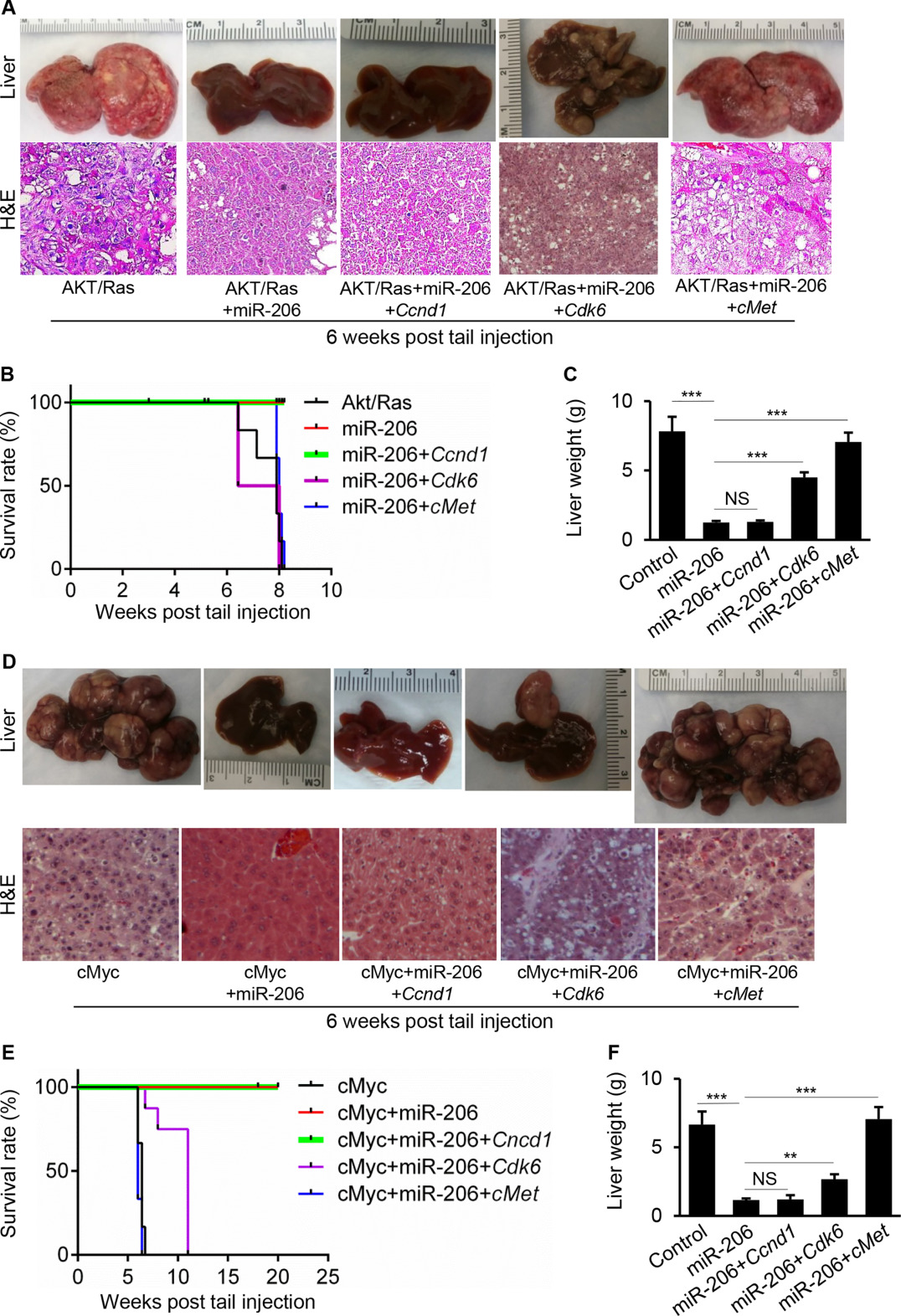
 cMet and Cdk6 mediated the inhibitory effect of miR-206 on the development of HCC in both AKT/Ras and cMyc mice.
MicroRNA‐206 prevents the pathogenesis of hepatocellular carcinoma by modulating expression of met proto‐oncogene and cyclin‐dependent kinase 6 in mice
Paper
2017
Hepatology |
DOI
Background
Hepatocellular carcinoma (HCC) remains lethal with few therapies. This study shows microRNA-206 is downregulated in mouse and human HCC. MiR-206 directly targets cMET, CCND1, and CDK6, delaying cell-cycle progression, reducing proliferation, and inducing apoptosis in HCC cell lines. Systemic miR-206 delivery completely prevented HCC in cMyc and AKT/Ras mice, while cMet or Cdk6 restoration rescued tumor growth. MiR-206 also showed therapeutic efficacy in cMyc and xenograft models. These findings identify miR-206 as a potent tumor suppressor and promising therapeutic strategy for HCC.
Key Findings
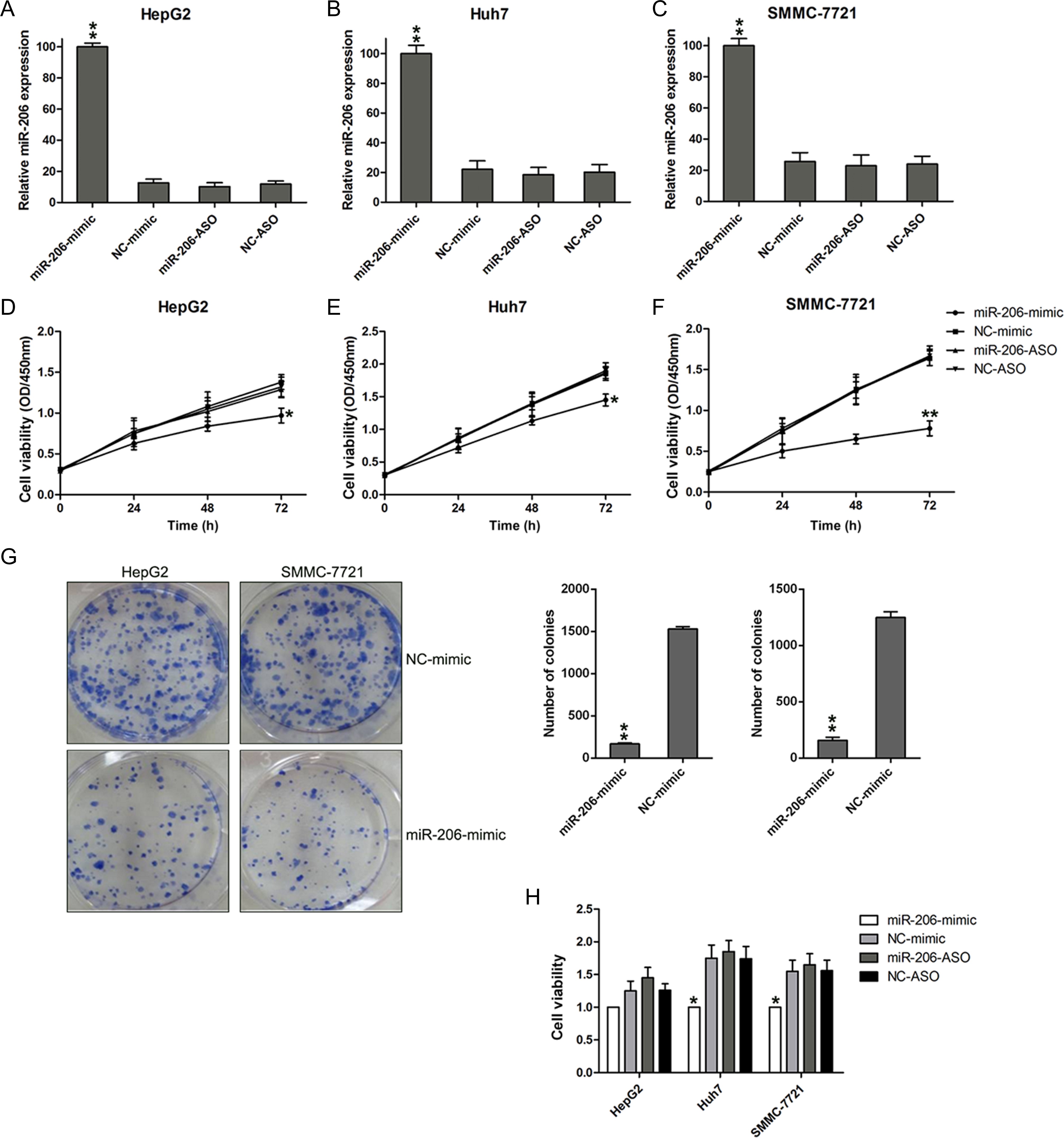
MiR-206 was consistently underexpressed in livers of AKT/Ras and cMyc HCC mice, human HCC tumors, and HCC cell lines. Bioinformatic and molecular analyses identified cMET, CCND1, and CDK6 as direct miR-206 targets; miR-206 reduced their mRNA and protein levels and inhibited luciferase reporters containing their wild-type 3′UTRs. In Huh7, SNU449, and MHCC97-H cells, stable miR-206 expression impaired colony formation and proliferation, delayed G1/S progression, and induced apoptosis; target protectors against cMET, CDK6, or CCND1 reversed these effects. In vivo, miR-206 delivery fully prevented HCC in both cMyc and AKT/Ras mice, whereas control mice died from tumor burden. Reintroduction of cMet or Cdk6, but not Ccnd1, restored HCC growth, establishing cMet and Cdk6 as key mediators. MiR-206 also inhibited xenograft tumor growth and showed therapeutic activity in cMyc mice.
Contribution
Creative Biogene provided the chemically modified miR-206 mimic and scramble control used for in vitro and in vivo experiments. The mimic had phosphorothioate and 2′-methoxy modifications, enabling efficient delivery and stable miR-206 overexpression, which was essential for demonstrating miR-206’s tumor-suppressive and therapeutic effects in HCC models.