• Adenovirus Service • AAV Service • Lentivirus Service • Retrovirus Service

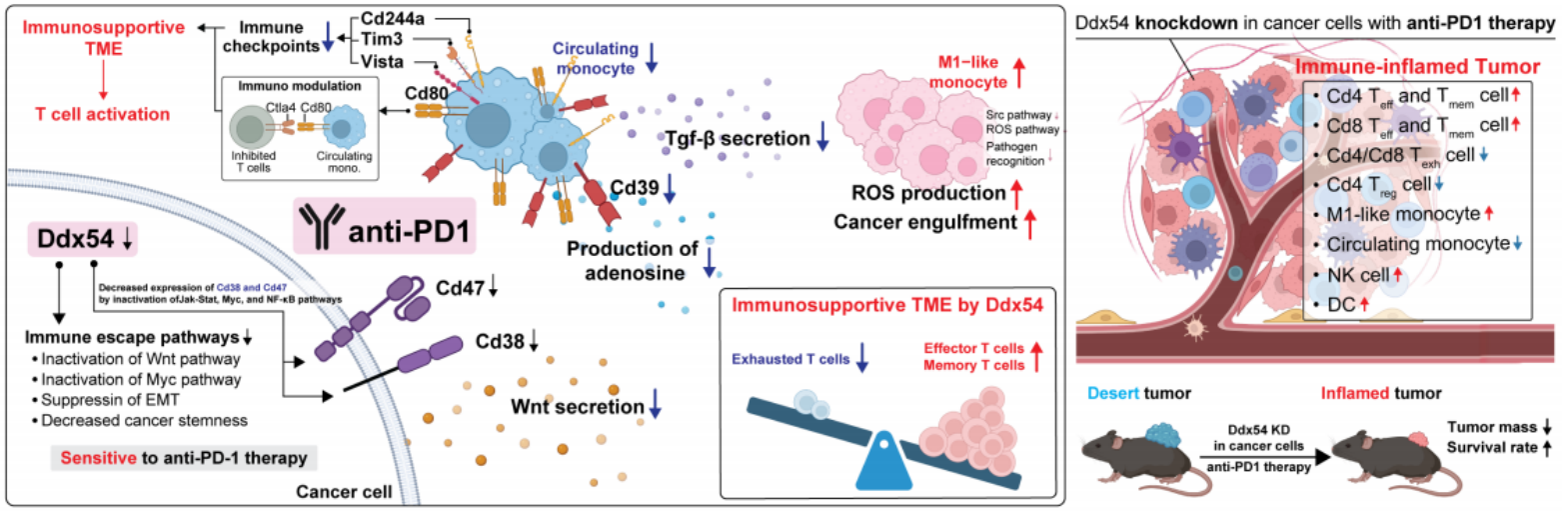
In the battlefield of cancer treatment, immune checkpoint inhibitors (ICI) are like a brave warrior helping immune cells to attack cancer cells more effectively. However, they also face an embarrassing dilemma: among all patients who receive treatment, only less than 20% of them can benefit from it. This means that most patients have to face the cruel reality of ineffective treatment after receiving treatment with hope. This low response rate has undoubtedly cast a shadow on cancer treatment, and it has also made scientists urgently look for new strategies to improve the effect of immunotherapy so that more patients can rekindle the hope of life.
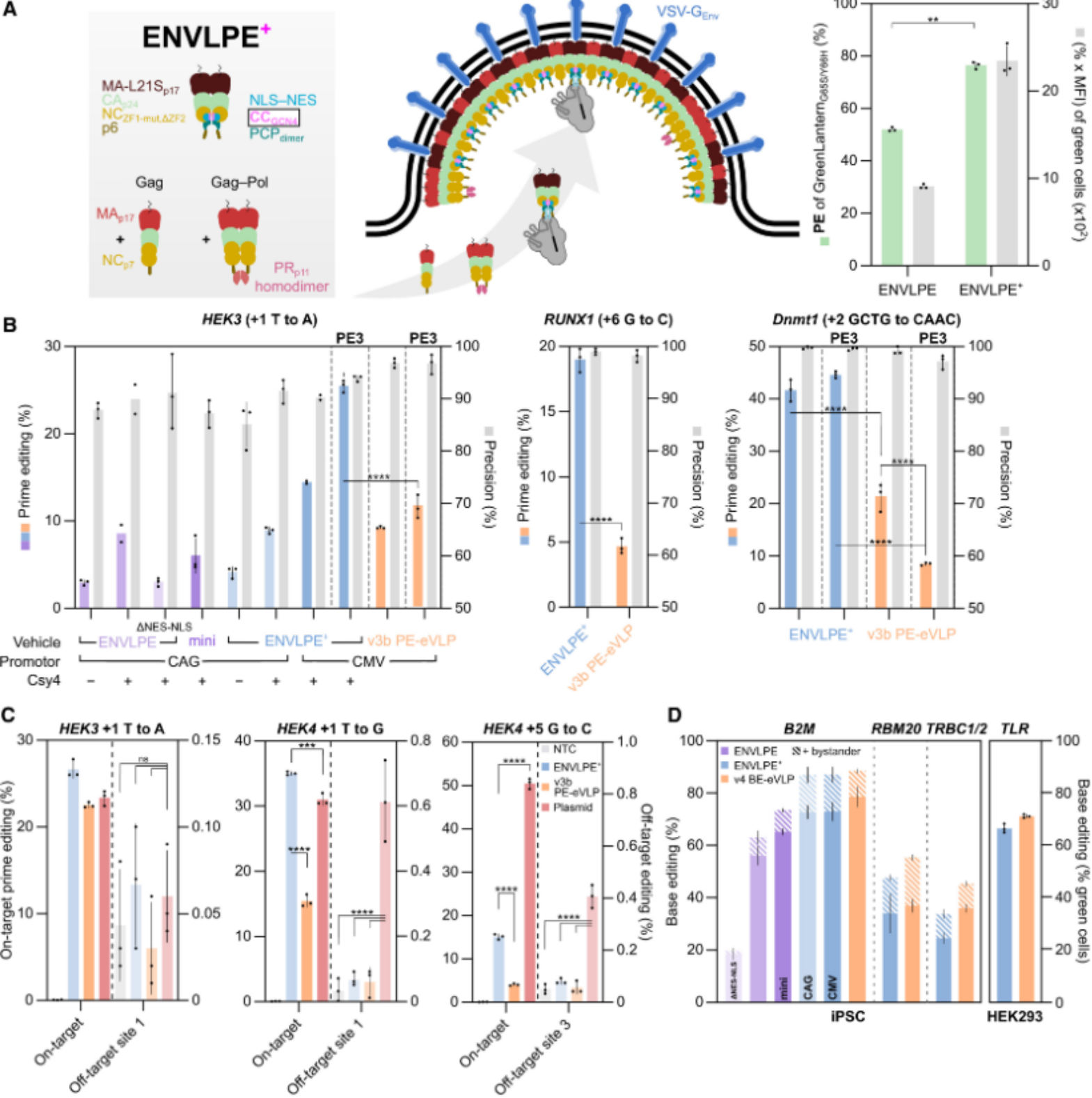
Recently, researchers from the Technical University of Munich in Germany published a research paper titled "Engineered nucleocytosolic vehicles for loading of programmable editors" in the international top academic journal Cell. The study developed a new efficient and versatile virus-like particle (VLP) delivery vector, ENVLPE, which can deliver all major RNA-guided gene editing tools (CRISPR-Cas9, base editors, prime editors) to a variety of cell types in the form of RNPs. This delivery system avoids the risk of DNA integration and demonstrates excellent editing effects in primary human T cells and two inherited retinal disease mouse models, highlighting its therapeutic potential.
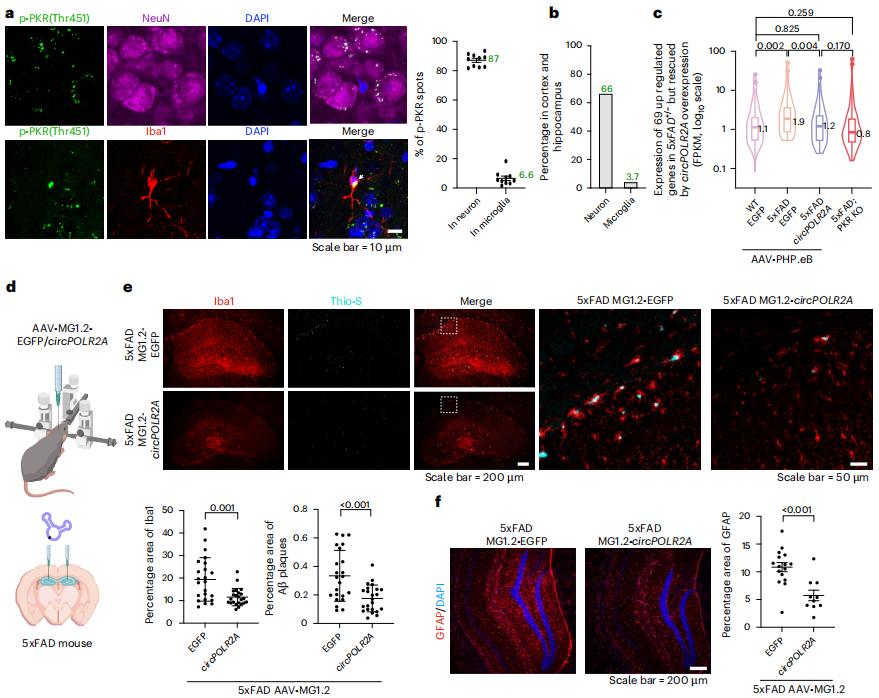
Alzheimer's disease (AD) is an age-related neurodegenerative disease characterized by progressive memory loss and cognitive dysfunction. It is characterized by amyloid β (Aβ) plaque deposition and neuroinflammation, which plays a central role in the pathogenesis of AD as it exacerbates Aβ and Tau pathology.

One of the key challenges in the field of gene therapy is the safe and effective introduction of transgenes into cells to cure or reduce the severity of a disease. Viral vectors have proven to be one of the most effective means of achieving this goal, taking advantage of the natural ability of viruses to invade and introduce their genetic material into human cells. As a result, viral vectors are being developed for the treatment of a variety of diseases, including monogenic syndromes and cancer, and can be delivered in vivo, in situ, and ex vivo (cell therapy).
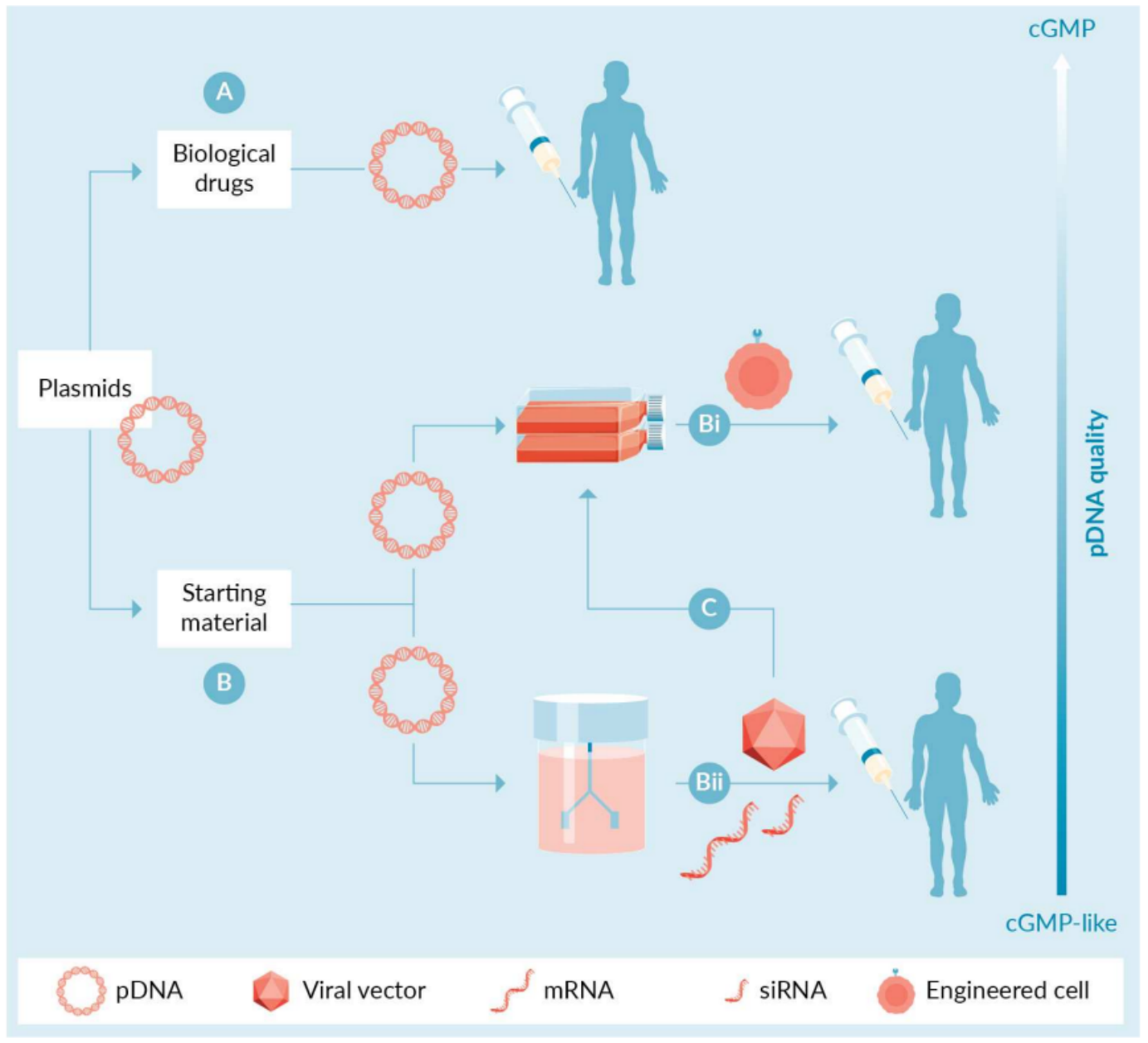
Plasmids as Biologics
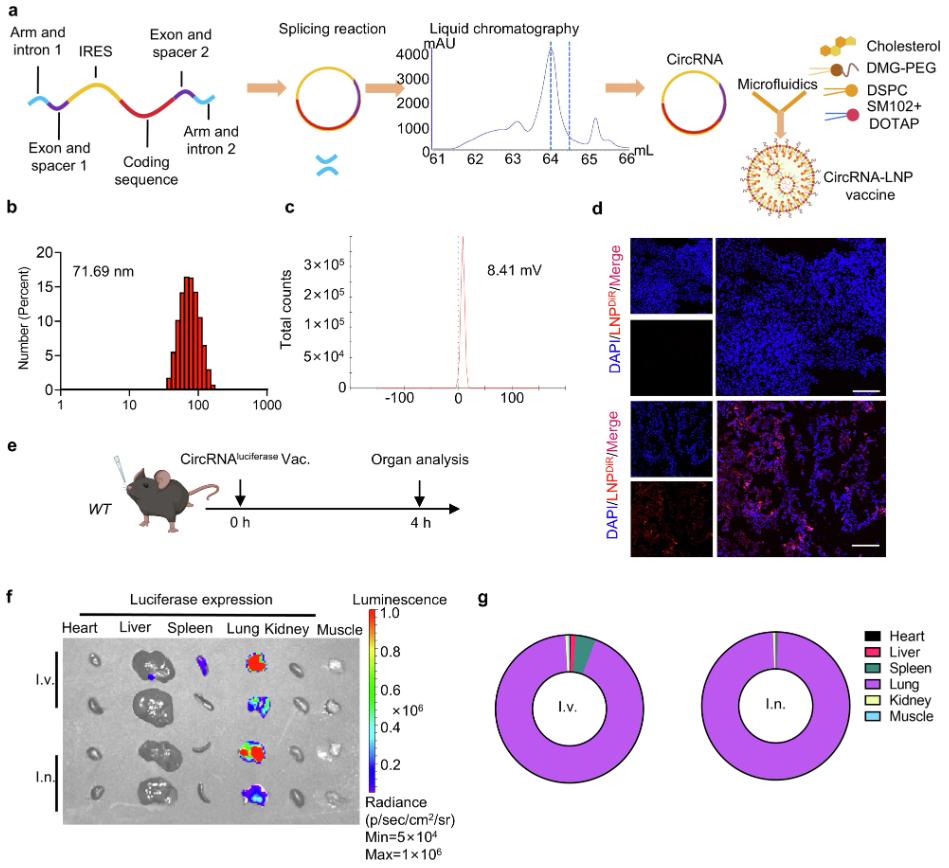
Recently, a research team from Tsinghua University published a research paper titled "Intranasal prime-boost RNA vaccination elicits potent T cell response for lung cancer therapy" in the journal Signal Transduction and Targeted Therapy.
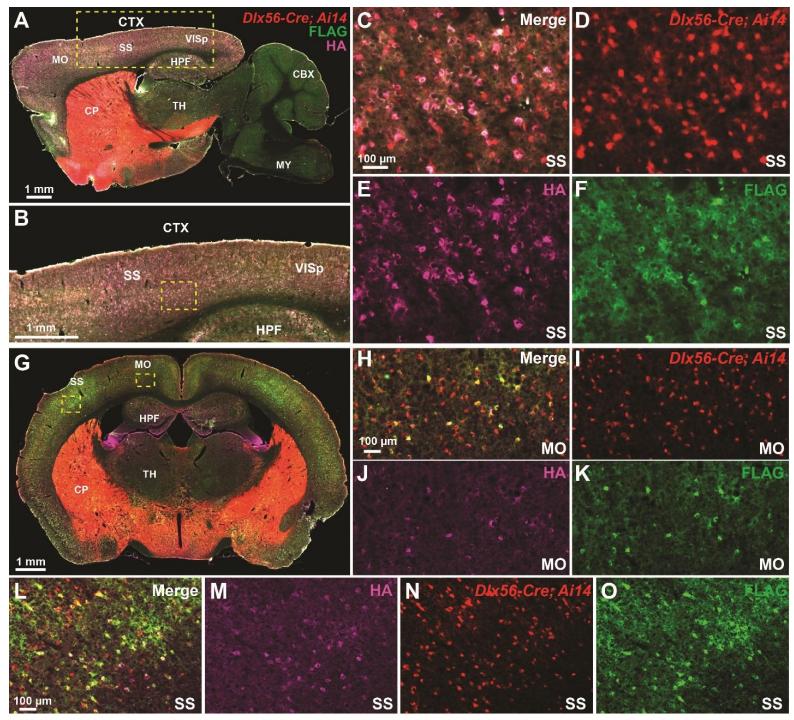
Dravet syndrome is a rare and life-changing form of epilepsy. Dravet syndrome affects approximately 1 in 15,700 children, and most cases are caused by mutations in the SCN1A gene. This gene plays a critical role in the brain's ability to regulate activity through flash interneurons. The disease has long made scientists eager to develop more effective treatments due to severe seizures and developmental delays.
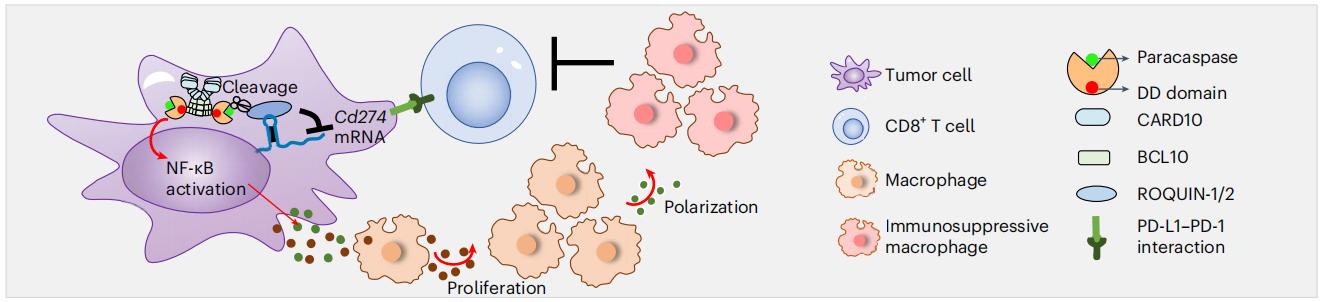
Immune checkpoint inhibitor (ICI) therapy has demonstrated therapeutic benefits and prolonged survival in cancer patients. However, most patients either fail to respond to ICI therapy or develop resistance to it.
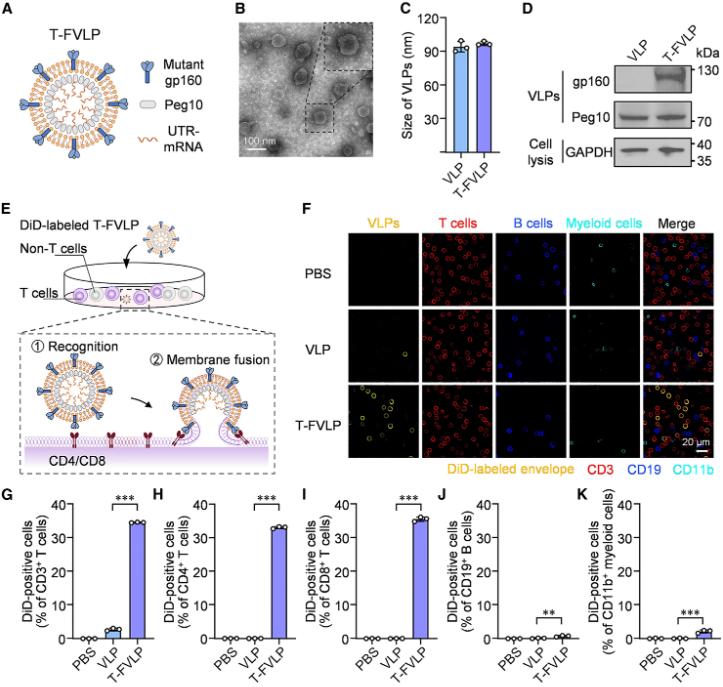
Researchers from South China University of Technology published a research paper titled "Leveraging T cell-specific fusogenicity of HIV for in vivo mRNA delivery to produce human CAR-T cells" in Cell Biomaterials, a subsidiary of Cell. The study used the T cell-specific fusion of HIV virus to develop a T cell-specific fusion virus-like particle (T-FVLP) that can mimic HIV virus and efficiently deliver CAR mRNA into T cells, thereby producing human CAR-T cells in vivo.
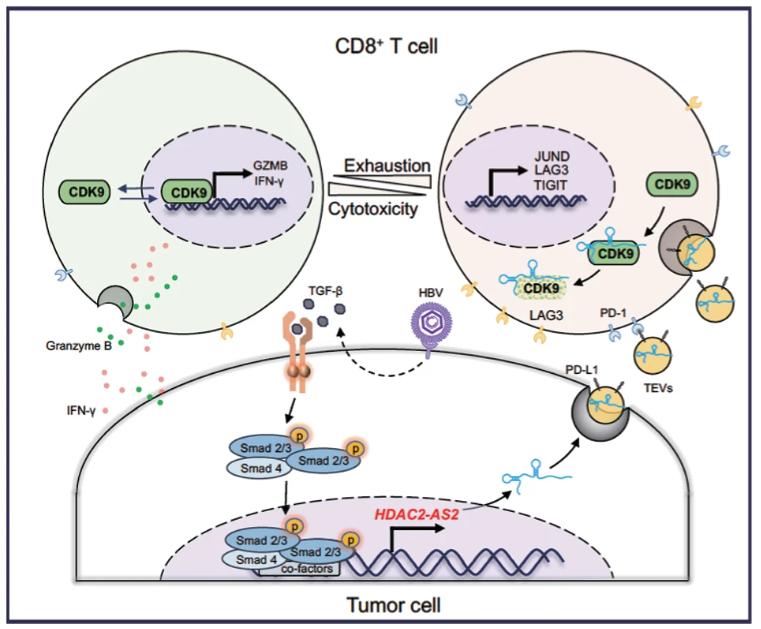
Hepatocellular carcinoma (HCC) is the third leading cause of cancer-related deaths worldwide, second only to lung cancer and gastric cancer in terms of severity. This malignant tumor originates in the liver and often occurs due to chronic hepatitis virus infection (especially hepatitis B virus). Once diagnosed, patients are often in the advanced stage of the disease. Currently, the 5-year survival rate of patients is less than 50%. In recent years, with the rise of immunotherapy, scientists have gradually realized the key role of the tumor microenvironment (TME) in cancer development, but the immune escape mechanism of HCC is still complex and not completely clear.