• Adenovirus Service • AAV Service • Lentivirus Service • Retrovirus Service


Recently, a research team led by Jean-Christophe Marine and Joanna Pozniak of the Flemish Institute of Biotechnology (VIB) in Belgium, and Oliver Bechter of the University Hospital of Leuven, published an important research paper in the famous journal Cancer Discovery. When analyzing tumor samples from melanoma patients who did not respond to immunotherapy, they found that the number of natural killer (NK) cells increased significantly, and both NK cells and killer T cells gathered around the tumor. The amazing thing is that if the NK cells around the tumor are eliminated and then supplemented with immune checkpoint inhibitors, the killer T cells will infiltrate and destroy the tumor.

Recently, in a research report titled "SP140–RESIST pathway regulates interferon mRNA stability and antiviral immunity" published in the international journal Nature, scientists from the University of California and other institutions revealed how the conservative transcriptional repressor SP140 indirectly regulates the stability of interferon β (IFN-β) through the RESIST protein, and also revealed the antiviral activity of SP140 itself. The relevant research results may provide a new perspective for understanding the antiviral immune mechanism.

Colorectal cancer (CRC) is the third most common cancer worldwide (nearly 2 million, second only to lung cancer and breast cancer), and the second most common cancer in terms of deaths (nearly 1 million, second only to lung cancer). Colorectal cancer is usually asymptomatic in the early stages and is often diagnosed in the late stages. Therefore, active treatments such as surgery, radiotherapy, and chemotherapy are required. However, these treatments also have limitations. Surgery has a high recurrence rate, radiotherapy can cause serious complications, and chemotherapy often leads to drug resistance, with about 50% of patients experiencing recurrence. In addition, the incidence of colorectal cancer has been increasing in young people under the age of 50 over the past 30 years. This makes colorectal cancer a major public health and socioeconomic issue.
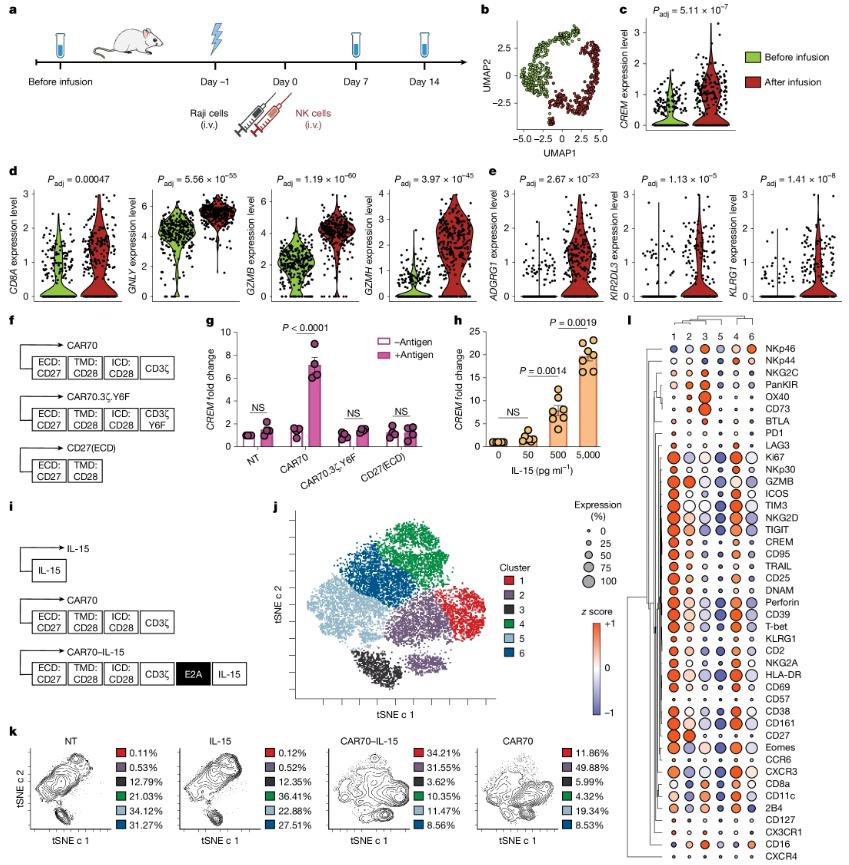
In the frontier field of cancer treatment, immunotherapy is gradually becoming a new hope for conquering cancer. In recent years, CAR-T cell therapy has achieved remarkable results in the treatment of blood tumors, but its application in the treatment of solid tumors still faces many challenges. At the same time, natural killer cells (NK cells), as an immune cell with strong anti-tumor activity, have gradually attracted the attention of researchers.

In today's global public health field, vaccination is undoubtedly the key line of defense against infectious diseases. From the raging of the COVID-19 pandemic to the normalized prevention and control of various infectious diseases, the importance of vaccines is self-evident. However, how to improve the immune efficacy of vaccines, especially to enhance CD8 T cell-mediated immune responses, has always been a hot topic for scientists.
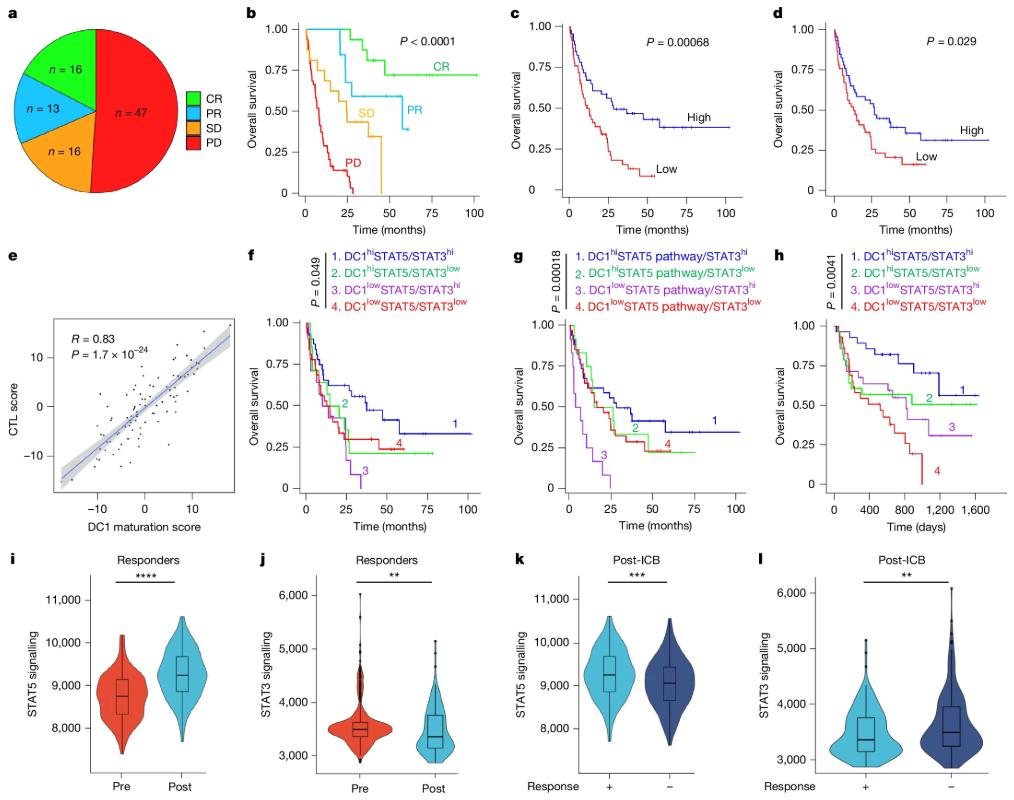
In the field of cancer treatment, immunotherapy is like a brave warrior, which can use the body's own immune system to fight cancer cells. Among them, immune checkpoint inhibitors (ICBs), as an important branch of immunotherapy, can activate immune cells by blocking specific proteins so that they can more effectively eliminate cancer cells. However, reality is not always as people wish. Many patients do not respond well to ICBs, and even gradually develop drug resistance during treatment. This problem has been plaguing the medical community.
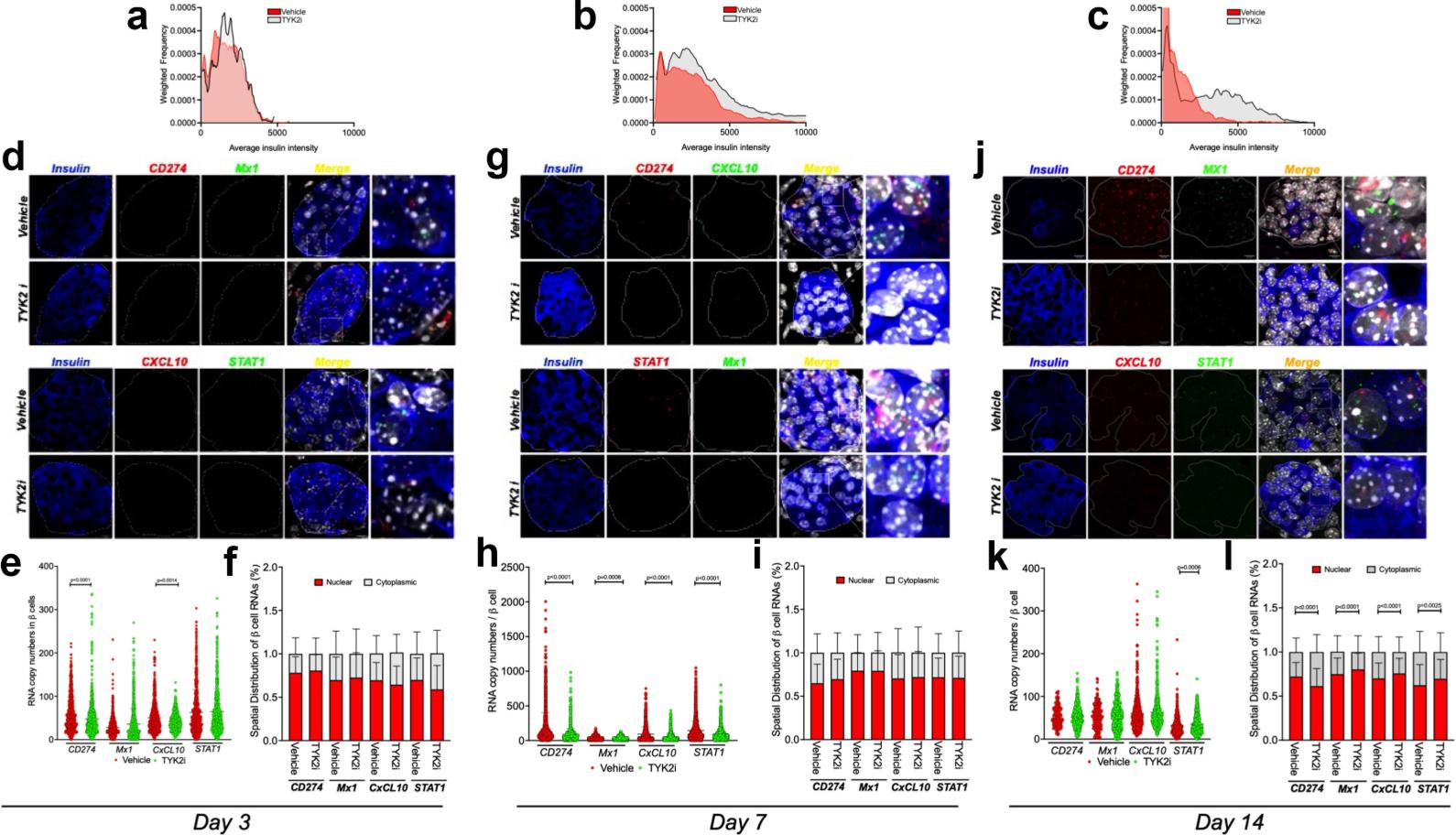
In clinical research, scientists have been looking for new ways to overcome type 1 diabetes. This disease plagues millions of patients worldwide. The patient's insulin-producing cells are mistakenly attacked by the immune system, causing blood sugar to soar, requiring lifelong dependence on insulin treatment.
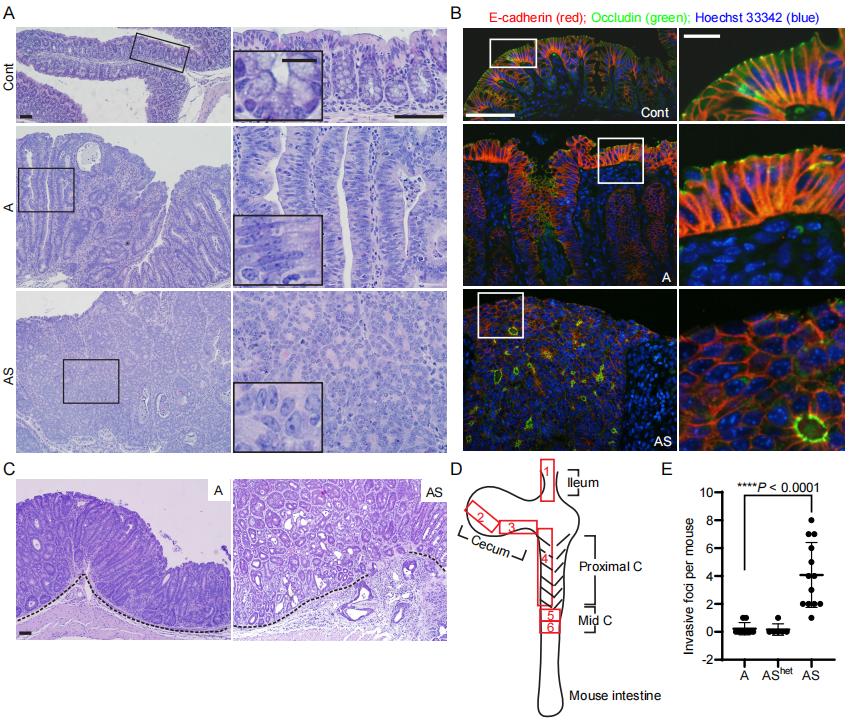
In the world of cancer, colorectal cancer (CRC) is undoubtedly a warning name. It is not only the second leading cause of cancer-related death in the world, but also a complex molecular maze. Although scientists have revealed some molecular changes associated with colorectal cancer, how these changes drive the development of cancer remains an unsolved mystery.
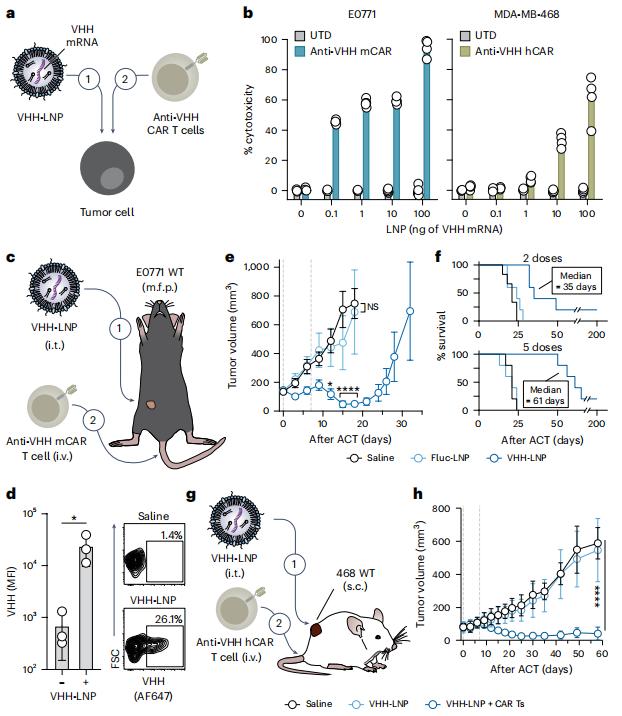
In a new study, researchers from the Georgia Institute of Technology have created a two-pronged approach that marks tumor cells so they can be recognized and destroyed by specially enhanced T cells from the patient's immune system. This approach could one day become a universal strategy for treating some of the most difficult-to-treat cancers, such as brain, breast and colon cancers, by teaching the immune system to find cancers it would normally miss. Their approach worked against these cancers in laboratory tests and did not harm healthy tissue. Importantly, it also prevented the cancer from coming back.
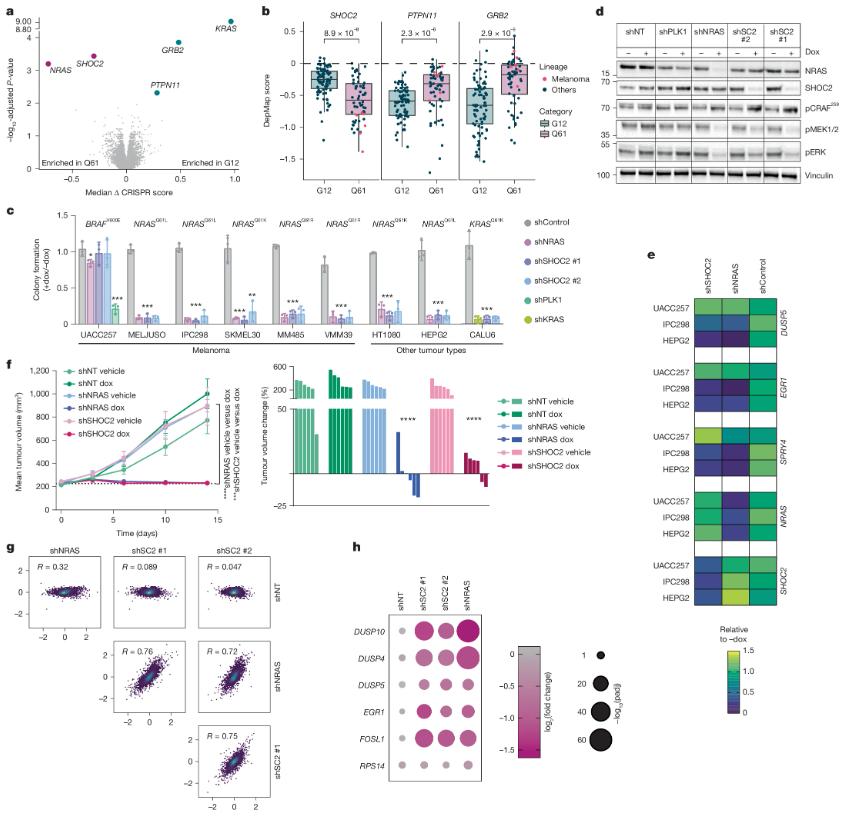
In the battlefield of cancer treatment, the RAS gene family has always been a fortress that is difficult to conquer. The KRAS and NRAS genes in the RAS gene family are like commanders of cell growth and division, regulating the normal growth of cells through signaling pathways. However, when these genes mutate, they become traitors, causing disordered cell proliferation and leading to cancer. Although scientists have developed targeted therapies for KRAS (G12C) and KRAS (G12D) mutations, NRAS-mutated cancers, especially NRAS (Q61*)-mutated melanomas, have always lacked effective treatment strategies. There are about 50,000 new cases of NRAS-mutated melanoma in the United States and Europe alone each year, which is undoubtedly a huge clinical demand gap.