• Adenovirus Service • AAV Service • Lentivirus Service • Retrovirus Service

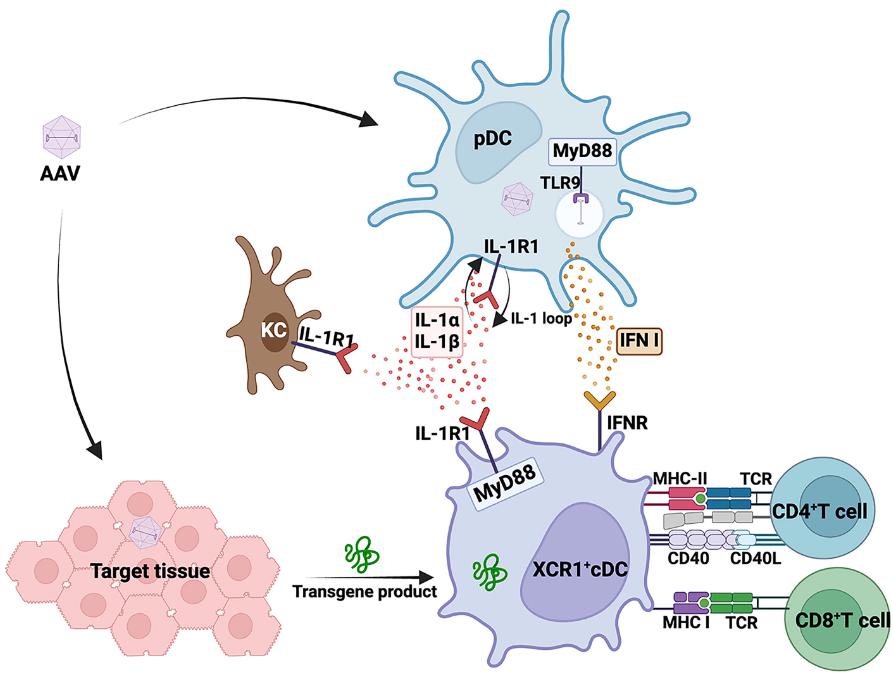
Adeno-associated virus (AAV)-based viral vectors used in human gene therapy can induce innate immune pathways, leading to the initiation of the body's adaptive immune response. Recently, in a review article entitled "Innate Immune Sensing of Adeno-Associated Virus Vectors" published in the international journal Human Gene Therapy, scientists from Indiana University and other institutions described the range of possible redundant innate immune pathways that AAV vectors can activate, which will lead to excessive adaptive immune responses.
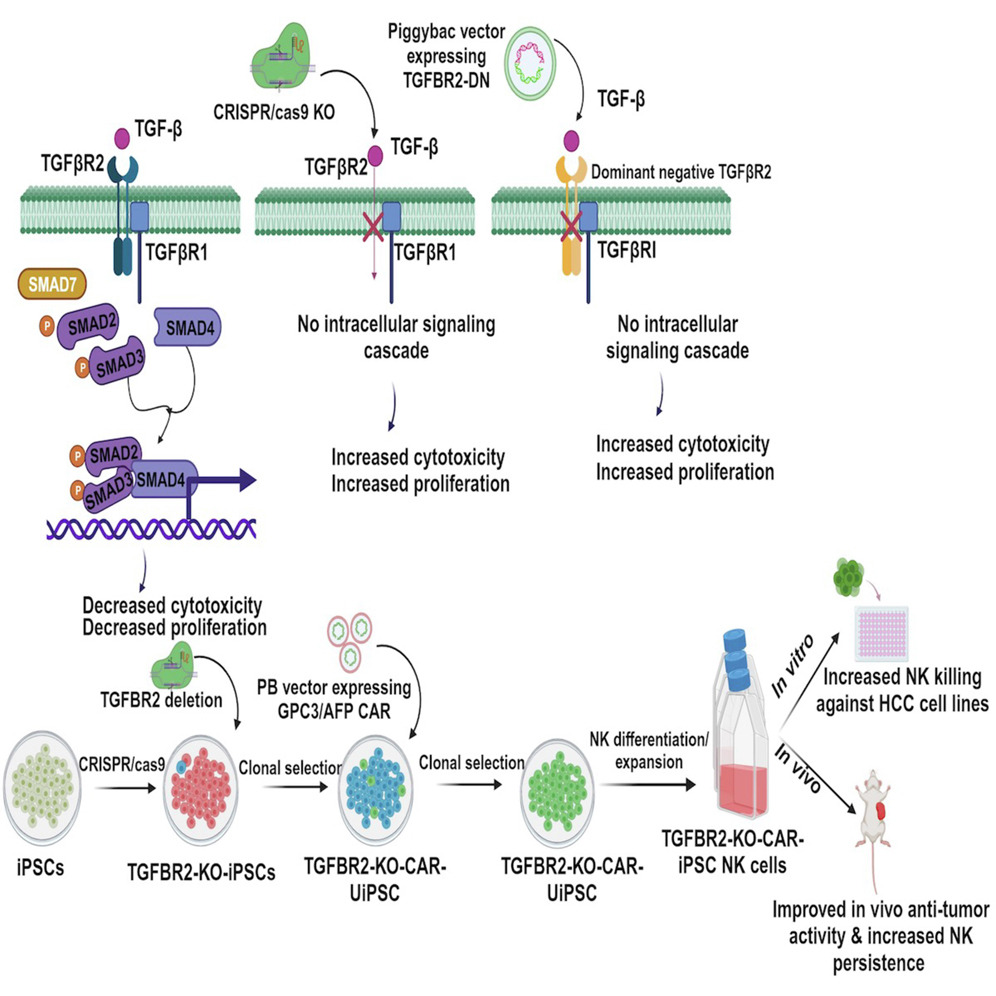
Hepatocellular carcinoma (HCC) is the most common type of primary liver cancer and is a highly lethal malignancy with a 5-year survival rate of less than 20%. Although targeted drugs such as sorafenib and other kinase inhibitors have been used to treat HCC, these therapies are generally incurable. Immunotherapy (e.g., atezolizumab) combined with vascular endothelial growth factor (VEGF) inhibition (bevacizumab) is currently the first-line treatment for HCC, but the efficacy remains low.
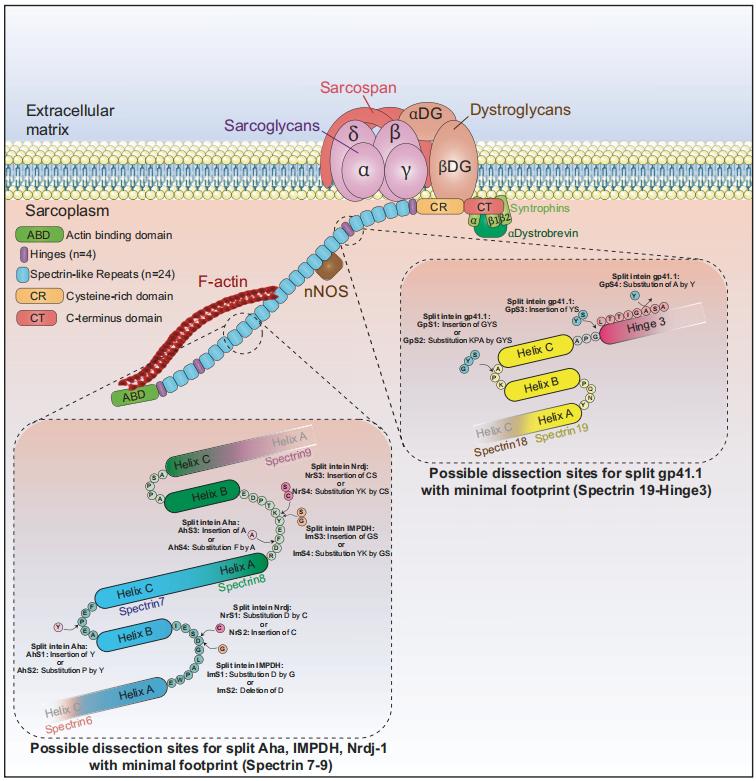
Gene replacement using adeno-associated virus (AAV) vectors is a promising approach to treat many diseases. However, the packaging capacity of AAV (about 4.7 kilobases) poses a challenge to this treatment modality, limiting its application in diseases associated with larger protein coding sequences (such as the 14 kilobases of mRNA in Duchenne muscular dystrophy).
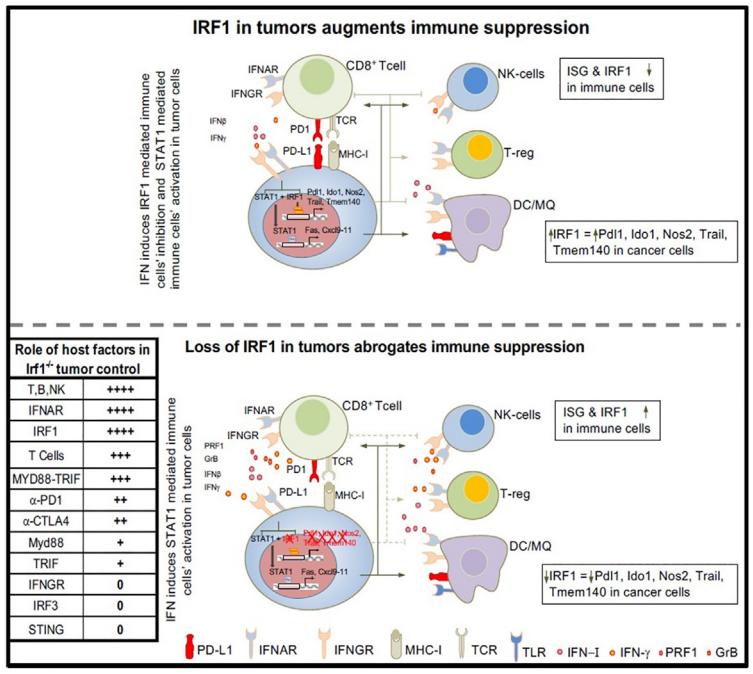
Type I interferon (IFN-I) and IFN-γ can promote anti-tumor immunity by promoting the body's T cell response. Paradoxically, IFN-γ can promote T cell exhaustion by activating immune checkpoints, and the downstream regulatory mechanisms of these different responses are still unclear to researchers. Recently, in a research report entitled "Opposing tumor-cell-intrinsic and -extrinsic roles of the IRF1 transcription factor in antitumor immunity" published in the international journal Cell Reports, scientists from the David Geffen School of Medicine at the University of California and other institutions revealed the role and details of a special protein called interferon regulatory factor (IRF1) in cancer progression and response to therapy, which is expected to provide new insights to help improve the efficacy of cancer immunotherapy.
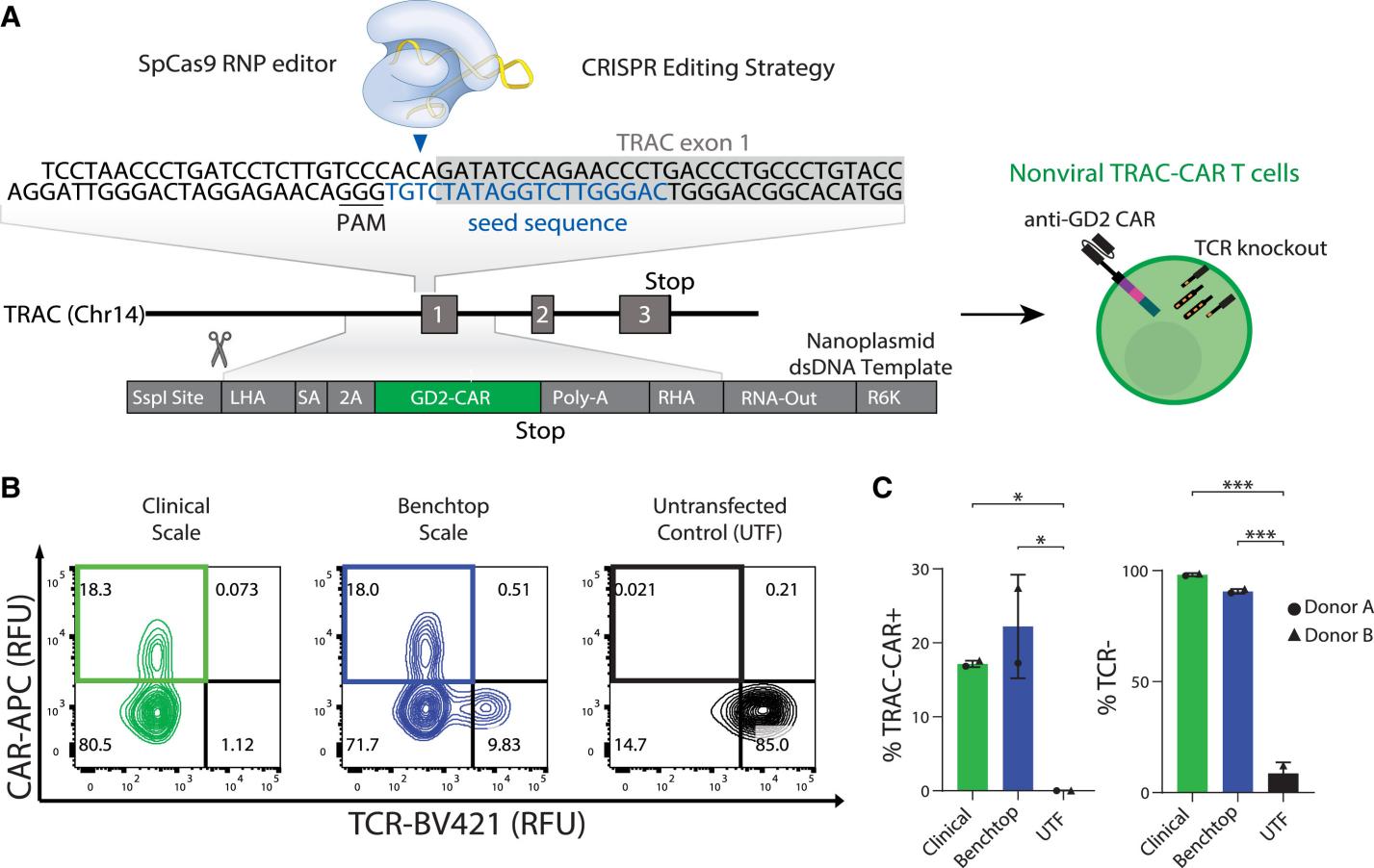
Recently, in a research report titled "Metabolic priming of GD2 TRAC-CAR T cells during manufacturing promotes memory phenotypes while enhancing persistence" published in the international journal Molecular Therapy-Methods & Clinical Development, scientists from the University of Wisconsin-Madison and other institutions have developed a new way to fight human cancer by studying T cells. Researchers said that this new therapy for treating blood cancer by using the power of the immune system to target and destroy cancer cells may be effective in treating human solid tumors.
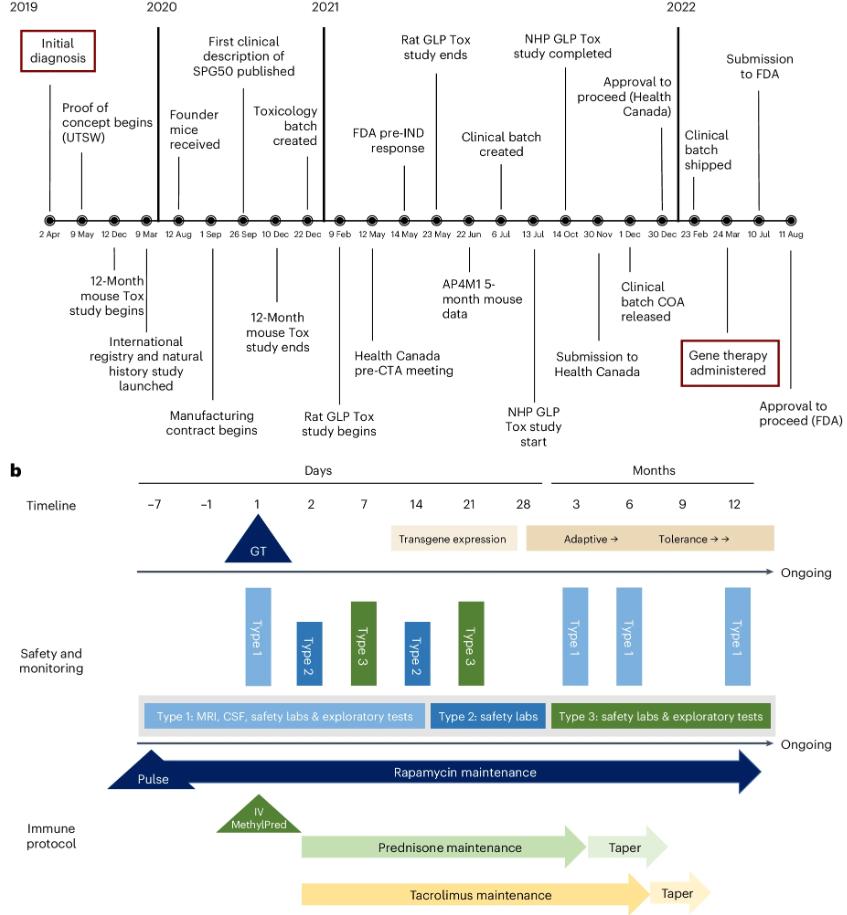
Spastic hereditary paraplegia type 50 (SPG50) is a typical ultra-rare disease (incidence is less than 1 in 50,000). The disease is caused by biallelic pathogenic variants in the AP4M1 gene, which encodes a subunit of the AP-4 protein complex. It is a progressive neurodegenerative disease. Patients usually begin to show symptoms in infancy, resulting in developmental delay, speech disorders, epileptic seizures, and gradual paralysis of the limbs. In their teens, most patients are wheelchair-dependent and show severe cognitive impairment, usually dying in adulthood.
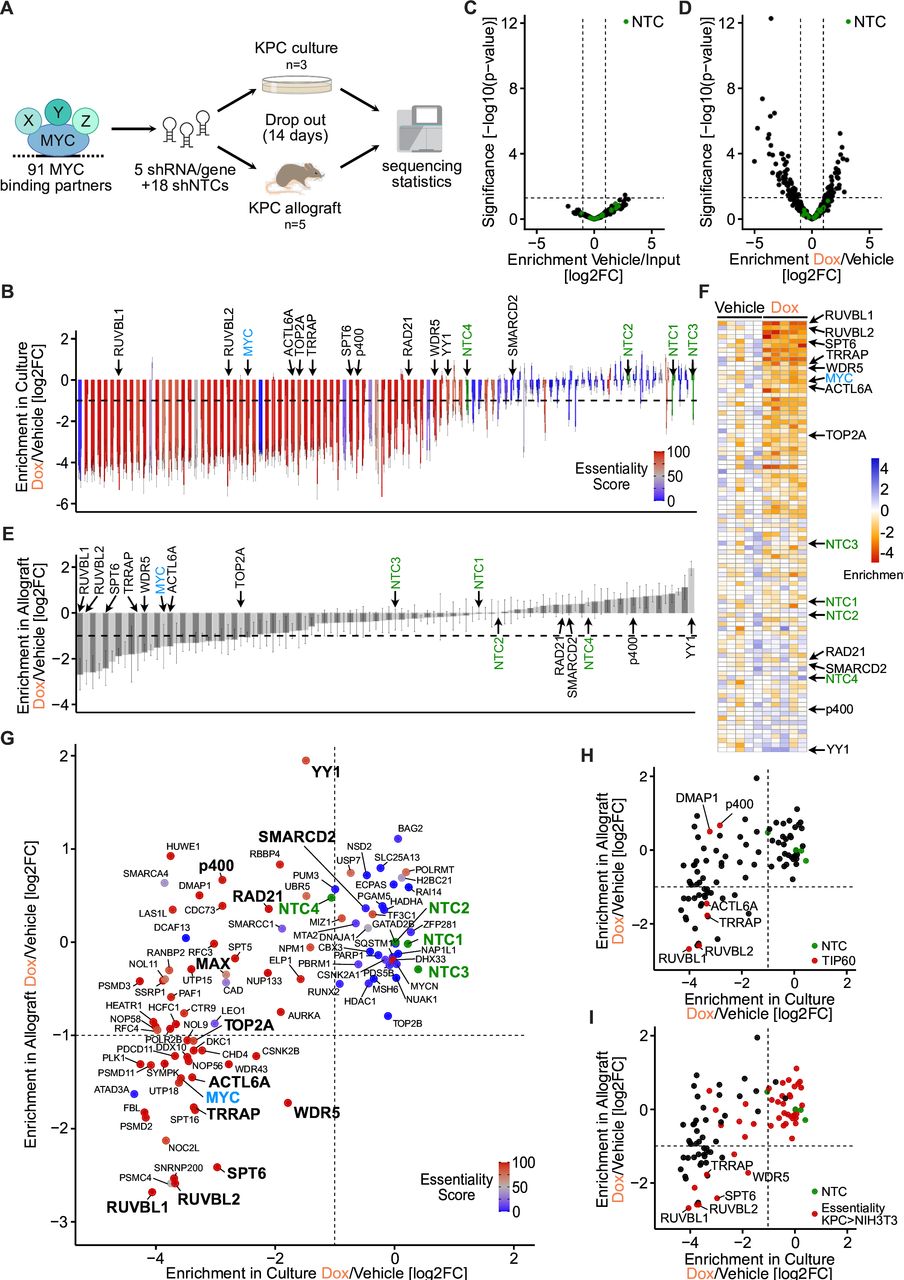
In a new study, researchers from the Institute of Biochemistry at the University of Kiel have found a way to inhibit the function of the cancer-causing protein MYC. This could be used to develop new drugs. The relevant research results were recently published in the journal Gut, with the title of the paper "Targeting MYC effector functions in pancreatic cancer by inhibiting the ATPase RUVBL1/2".
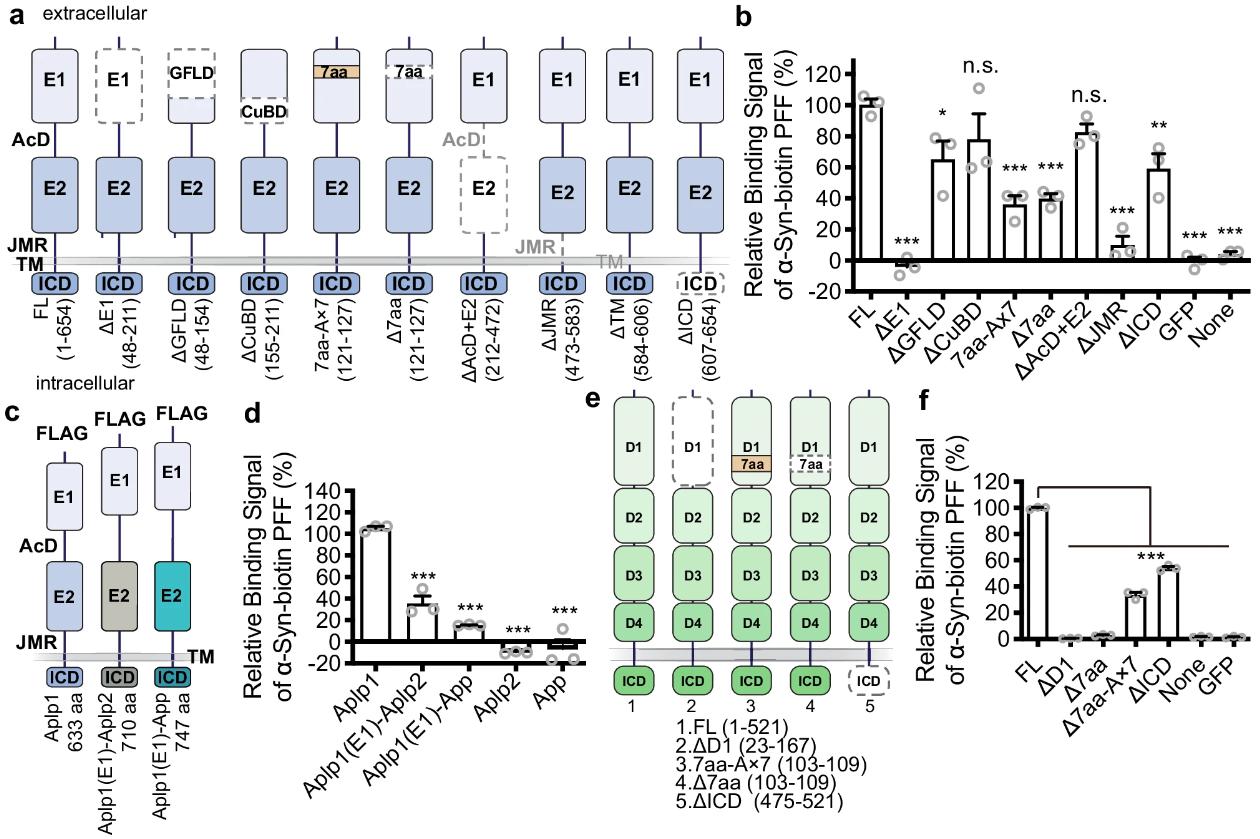
Pathological α-synuclein (α-syn) can spread between cells in part by binding to lymphocyte activation gene 3 (Lag3). Recently, in a research report published in the international journal Nature Communications, scientists from Johns Hopkins University School of Medicine and other institutions have identified a potential new biological target involving Aplp1, a cell surface protein that can drive the spread of α-synuclein that causes Parkinson's disease.

Host cells are the most commonly used key starting materials for the production of recombinant proteins, antibody drugs or vaccine drugs. The types of host cells used for the production of biological products mainly include bacterial cells (such as Escherichia coli), yeast cells (such as Saccharomyces cerevisiae) and mammalian cells (including Chinese hamster ovary (CHO) cells and human embryonic kidney (HEK) cells), etc.
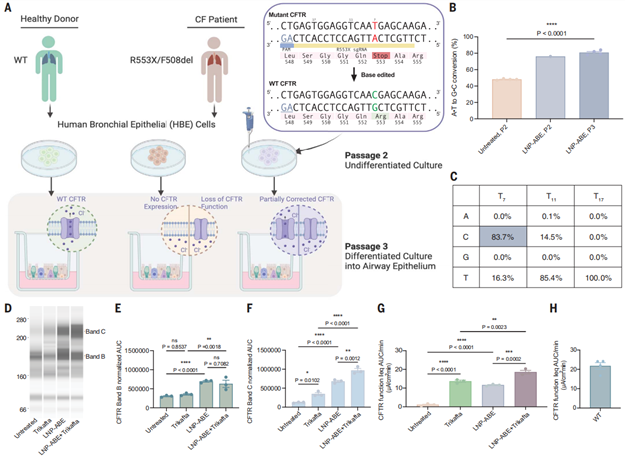
In vivo genome correction is expected to produce lasting disease cures. However, effective stem cell editing remains challenging. In a new study, researchers from the University of Texas Southwestern Medical Center, Case Western Reserve University School of Medicine and ReCode Therapeutics have developed a method to deliver gene editing tools into the lungs to repair CFTR gene defects associated with cystic fibrosis. In the process, they overcame problems that have hindered previous therapies and believe that their method will soon be able to be used to treat human patients. The relevant research results were recently published in the journal Science, with the title "In vivo editing of lung stem cells for durable gene correction in mice".