• Adenovirus Service • AAV Service • Lentivirus Service • Retrovirus Service


T-cell acute lymphoblastic leukemia (T-ALL) is a highly aggressive hematological malignancy, accounting for about 15% of childhood acute lymphoblastic leukemia (ALL) and 25% of adult ALL. Although the cure rate for pediatric patients can reach 80%, the long-term survival rate of adult patients is still less than 40%. More worryingly, more than half of patients will relapse after treatment or fail to respond to standard treatment. The median overall survival of relapsed/refractory T-ALL is only about 8 months. Current treatment methods mainly rely on high-intensity chemotherapy and allogeneic hematopoietic stem cell transplantation (alloHSCT), but they are highly toxic and have a high failure rate. There is an urgent need for safer and more effective targeted treatment strategies in clinical practice.

In 2025, the cumulative number of mRNA vaccines administered globally has exceeded 10 billion doses, and its high efficiency and safety have completely rewritten the pattern of infectious disease prevention and control. From COVID-19 vaccines to cancer treatment, mRNA technology is penetrating the medical field at an alarming rate. However, back in 2005, the scientist Karikó's team first discovered that replacing uridine (U) in mRNA with pseudouridine (Ψ) can significantly reduce immunogenicity, and this discovery became the "Archimedes fulcrum" of mRNA therapy. But why can Ψ-RNA escape the security check of the immune system?

In recent years, immune checkpoint blockade (ICB) therapy has achieved remarkable results in the treatment of various cancers, but its efficacy in ovarian cancer, especially ovarian clear cell carcinoma (OCCC), still faces many challenges. Ovarian clear cell carcinoma is a rare and poor prognosis subtype of ovarian cancer. It is highly resistant to platinum chemotherapy and traditional treatments are ineffective. The median overall survival of patients with ovarian clear cell carcinoma after progression of first-line treatment is only 10.9 months, and the response rate to a single PD-1/PD-L1 inhibitor is extremely low, only 5% to 15%. Therefore, exploring new treatment strategies and prognostic markers is crucial to improving the clinical outcomes of patients with ovarian clear cell carcinoma.
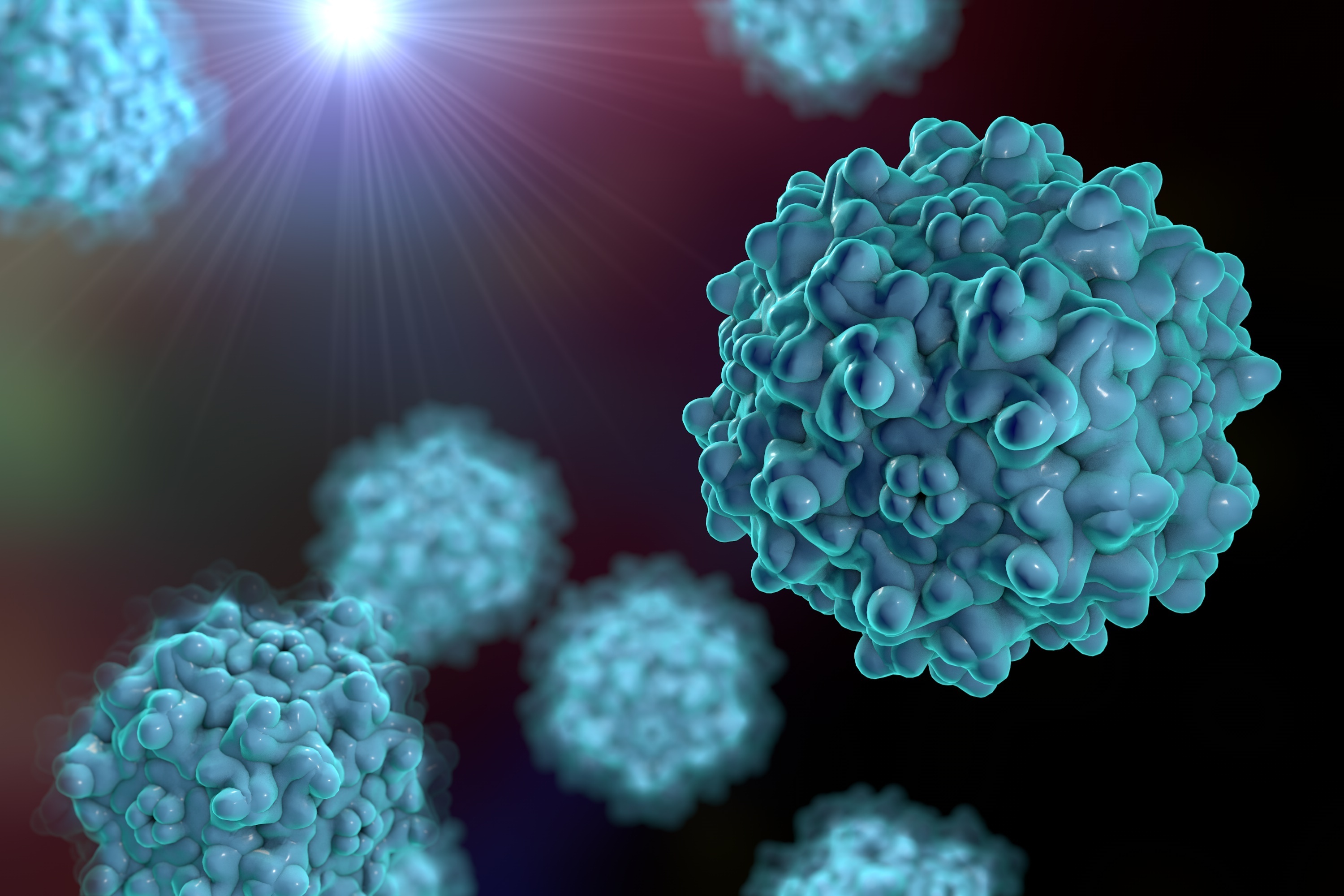
Sensorion recently announced positive preliminary data from a Phase 1/2 clinical trial of its investigational gene therapy, SENS-501, for the treatment of congenital deafness associated with mutations in the OTOF (otoferrin) gene.

Cytokines, typically ranging in size from 5 to 25 kDa, are primarily produced by immune cells in response to infection, inflammation, injury, or various stimuli. They are also produced by a variety of other cells, including fibroblasts, epithelial cells, endothelial cells, and stromal cells. Cytokines mediate intercellular communication and play a crucial role in promoting immunity and either promoting or inhibiting cell differentiation and proliferation. They also play an important role in the tumor microenvironment (TME), where they coordinate immune and inflammatory responses. Due to their regulatory effects on the immune system and their impact on tumor progression within the TME, certain cytokines have been considered potential cancer immunotherapies. In fact, cytokines have a long history as anticancer agents, dating back to the 1970s, with interferon-α and interleukin-2 being the first cytokines used for cancer treatment. Since then, numerous preclinical experiments and studies have confirmed the anticancer activity of cytokines. Several cytokines, including granulocyte-macrophage colony-stimulating factor (GM-CSF), interferon-γ, interleukin-15, interleukin-12, and interleukin-21, are currently in clinical trials.

Glioblastoma (GBM) is the most common and aggressive type of malignant brain tumor in adults, with patients typically surviving only 12-18 months after diagnosis. Despite decades of research, there is currently no cure for glioblastoma, and approved treatments such as surgery, radiotherapy, and chemotherapy have limited effectiveness in extending patients' lives.

Missense mutations in the KRAS gene often lead to its persistent activation, which in turn causes dysregulation of downstream signaling cascades and drives tumorigenesis. KRAS gene mutations are present in nearly 25% of human cancers and are frequently found in some of the most common cancer types, such as lung cancer (35%), colorectal cancer (49%), and pancreatic adenocarcinoma (92%).

Data from the World Health Organization show that of the approximately 19.3 million new cancer cases worldwide each year, 10 million people die from cancer. Although immune checkpoint inhibitors (such as PD-1 antibodies) have revolutionized cancer treatment, a large number of patients still face the problem of "no response" or "drug resistance". Among them, natural killer cells (NK cells) are the first line of defense against cancer, and their activity is often inhibited by the tumor microenvironment. IL-15, as a core cytokine that regulates NK cell function, can enhance the killing ability of NK cells, but its clinical application is limited by the toxicity of systemic administration (such as cytokine storm).

In the fight against AIDS, scientists have always been committed to finding a way to completely cure this stubborn disease. In recent years, the rapid development of mRNA technology has brought unprecedented opportunities to the field of gene therapy. From the successful development of COVID-19 vaccines to the clinical application of CRISPR gene editing technology, mRNA technology has continuously refreshed our understanding of life sciences.

Nowadays, cancer has become one of the major killers threatening human health, and the role of sex hormones in the occurrence and development of cancer has attracted widespread attention. In recent years, with the rise of precision medicine, scientists have gradually realized that there are significant differences in treatment response and disease progression among cancer patients of different genders and ages. This discovery has triggered scientists to explore in depth how sex hormones affect cancer behavior.