• Adenovirus Service • AAV Service • Lentivirus Service • Retrovirus Service


The androgen receptor (AR) signaling pathway is essential for the growth of prostate cancer (PCa) cells and remains a critical therapeutic target for castration-resistant prostate cancer (CRPC). Although circular RNAs (circRNAs) have attracted increasing attention as important regulatory molecules, their role in the AR signaling pathway during prostate cancer progression remains poorly understood.

January 11, 2026 - The U.S. Food and Drug Administration (FDA) issued a landmark announcement today, declaring a more flexible regulatory strategy to optimize Chemistry, Manufacturing, and Controls (CMC) requirements for Cell and Gene Therapy (CGT) products. This initiative aims to accelerate the research and development process for these products and provide clearer guidance for Biologics License Applications (BLA).

Chimeric Antigen Receptor T-cell (CAR-T) therapy has achieved revolutionary success in treating hematological malignancies. However, mainstream CAR-T products currently rely on lentiviral or retroviral vectors to randomly insert CAR genes into the genome, posing risks such as insertional mutagenesis, gene silencing, and high product heterogeneity. While CRISPR technology offers the potential for site-specific integration, achieving large-fragment knock-in (such as CAR constructs exceeding 3 kb) in primary T cells remains hindered by low efficiency, significant cytotoxicity, and complex manufacturing processes, which severely limit its clinical application.

In July 2025, researchers published a study titled "A hypoxia-responsive tRNA-derived small RNA confers renal protection through RNA autophagy" online in Science. The research found that the hypoxia-induced tDR derived from the 3' end of tRNA-Asp-GTC (tRNA-Asp-GTC-3'tDR) activates autophagy flux in renal cells, and its silencing blocks this flux.

The discovery of novel targets often presents opportunities to create highly successful classes of anticancer drugs. A prime example is the PD-1/PD-L1 inhibitor class, which achieved total global sales of $55 billion in 2024. Among them, the first-in-class product, pembrolizumab, was approved in 2014 and its sales account for nearly one-fifth of the entire oncology market.

Nucleoside-modified messenger RNA (mRNA) vaccines elicit protective antibodies through their ability to promote T follicular helper (Tfh) cell differentiation. The lipid nanoparticles (LNPs) of mRNA vaccines possess intrinsic adjuvant activity. However, the extent to which nucleoside-modified mRNA is sensed and contributes to Tfh cell responses remains undetermined.

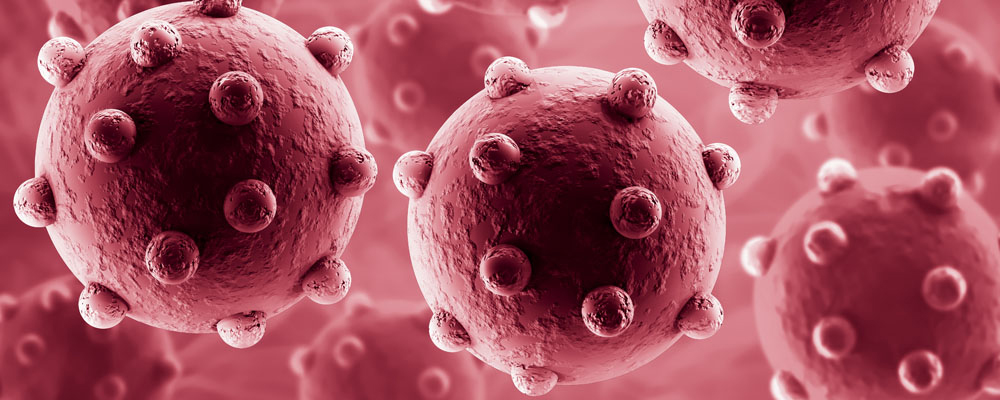
VLPs are nanoparticles formed by the self-assembly of viral structural proteins that mimic viral particles. VLPs do not contain genetic material, therefore they cannot replicate and are not infectious. This significantly enhances their safety compared to attenuated live vaccines or recombinant viral vectors, as unlike viral vector vaccines, they do not synthesize additional copies of immunogens.

Focal segmental glomerulosclerosis (FSGS) is a common glomerular lesion characterized by primary podocyte injury. Multiple genetic risk factors have been reported to be associated with the occurrence of FSGS. However, whether epigenetic factors, particularly N6-methyladenosine (m6A) modification, are involved in the pathogenesis of FSGS remains unclear.

Base editors enable precise conversion of single nucleotides without causing DNA double-strand breaks. This new generation of gene editing technology can theoretically correct most known pathogenic single-base mutations in humans, showing tremendous potential for treating genetic diseases.

Antibody-drug conjugate (ADC) target selection is a core aspect of drug design that directly impacts efficacy and safety. Current strategies emphasize achieving a balance between innovation and risk control, primarily focusing on two paths: optimization of established targets and exploration of new targets.