• Adenovirus Service • AAV Service • Lentivirus Service • Retrovirus Service


In 2005, Inagaki et al. reported for the first time that a large number of mRNA-like long non-coding RNAs were expressed in a tissue- and cell-specific manner in model species. In 2008, Mercer et al. used in situ hybridization to identify the expression of a large number of long non-coding RNAs in mouse brain tissues, and confirmed that the expression levels of these long non-coding RNAs were related to specific neuroanatomical locations, cell types, and subcellular locations. After 2010, as the academic community continued to heat up its research on IncRNA, the level of related basic research has advanced by leaps and bounds, and has gradually begun to shift from academia to industry. However, due to the short history of lncRNA research, lncRNA drug development is still in its early stages.
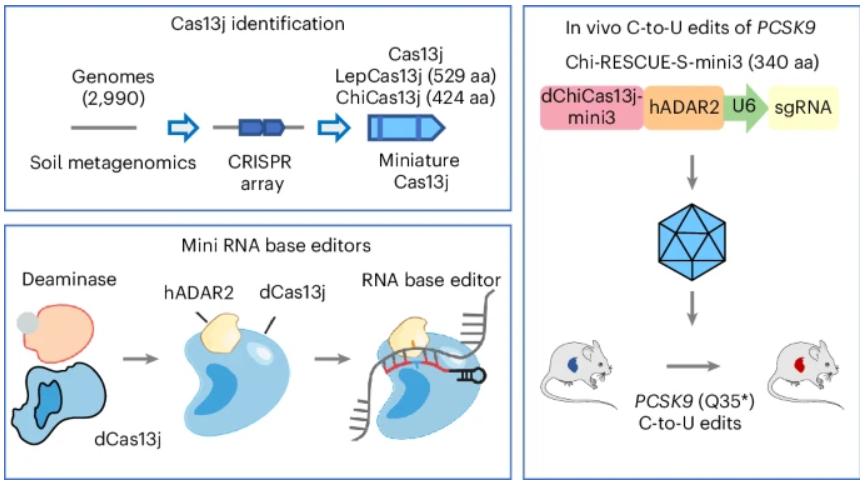
Recently, a research team from Zhejiang University in China published a research paper titled "Compact RNA editors with natural miniature Cas13j nucleases" in the journal Nature Chemical Biology. Data-driven protease mining can use the diversity of species resources to mine "new proteins". This study used BT-IT fusion technology to conduct large-scale mining of microbial metagenomic data through intelligent mining algorithms, discovered extremely small Cas13j proteins and performed efficient in vivo RNA editing.
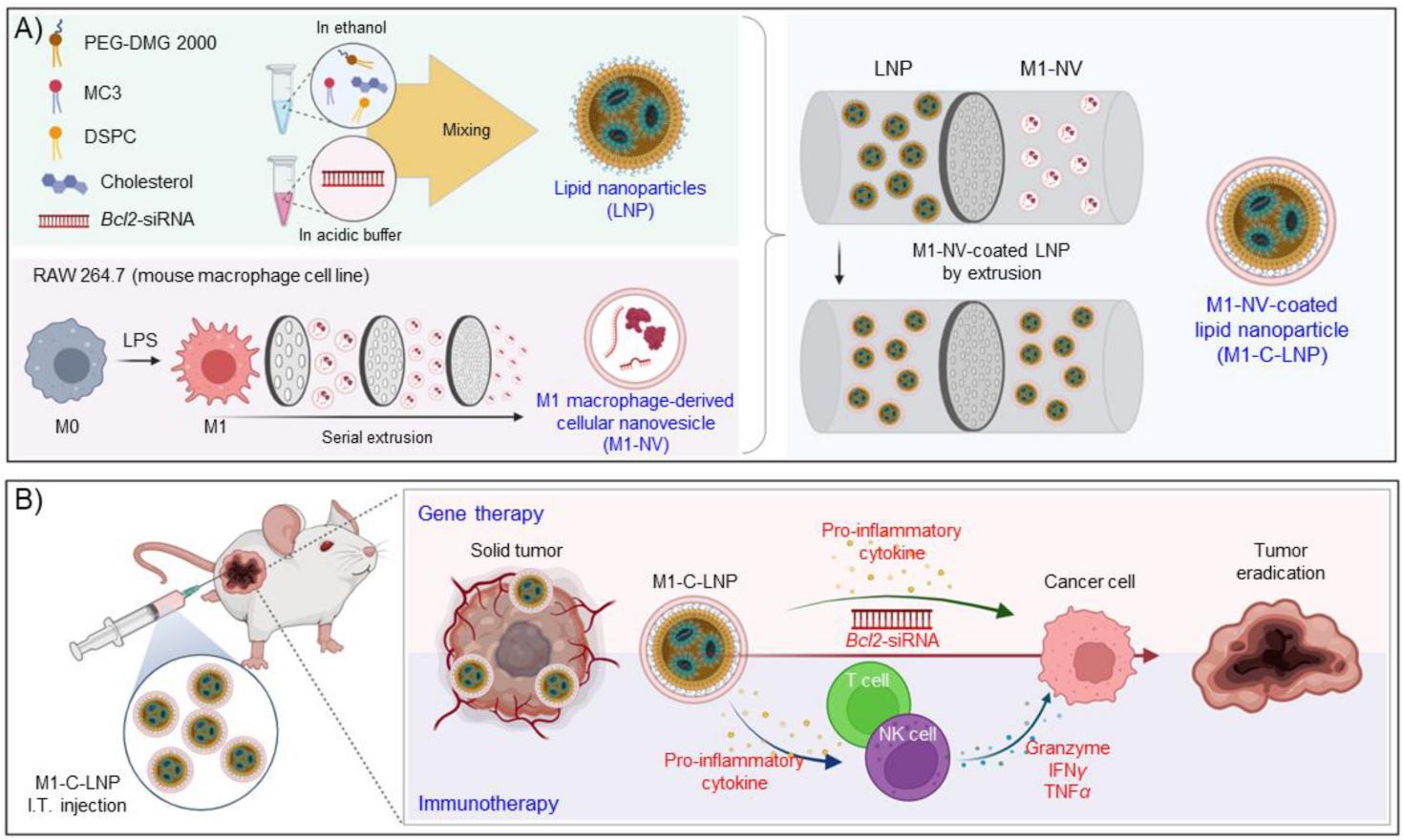
Cancer remains the leading cause of death worldwide, and traditional treatment modalities such as chemotherapy and radiotherapy are often associated with recurrence risk and severe side effects. Gene therapy for cancer has gained increasing prominence due to its personalized capabilities. However, in order to effectively treat cancer through gene therapy, it is crucial to accurately target tumor cells, deliver tumor suppressor genes, or disrupt oncogenes using tools such as RNAi or CRISPR, as imprecise targeting may increase the risk of recurrence. Recent advances have shown that lipid nanoparticles (LNPs) are powerful carriers of siRNA therapies, showing potential in the management of genetic diseases.
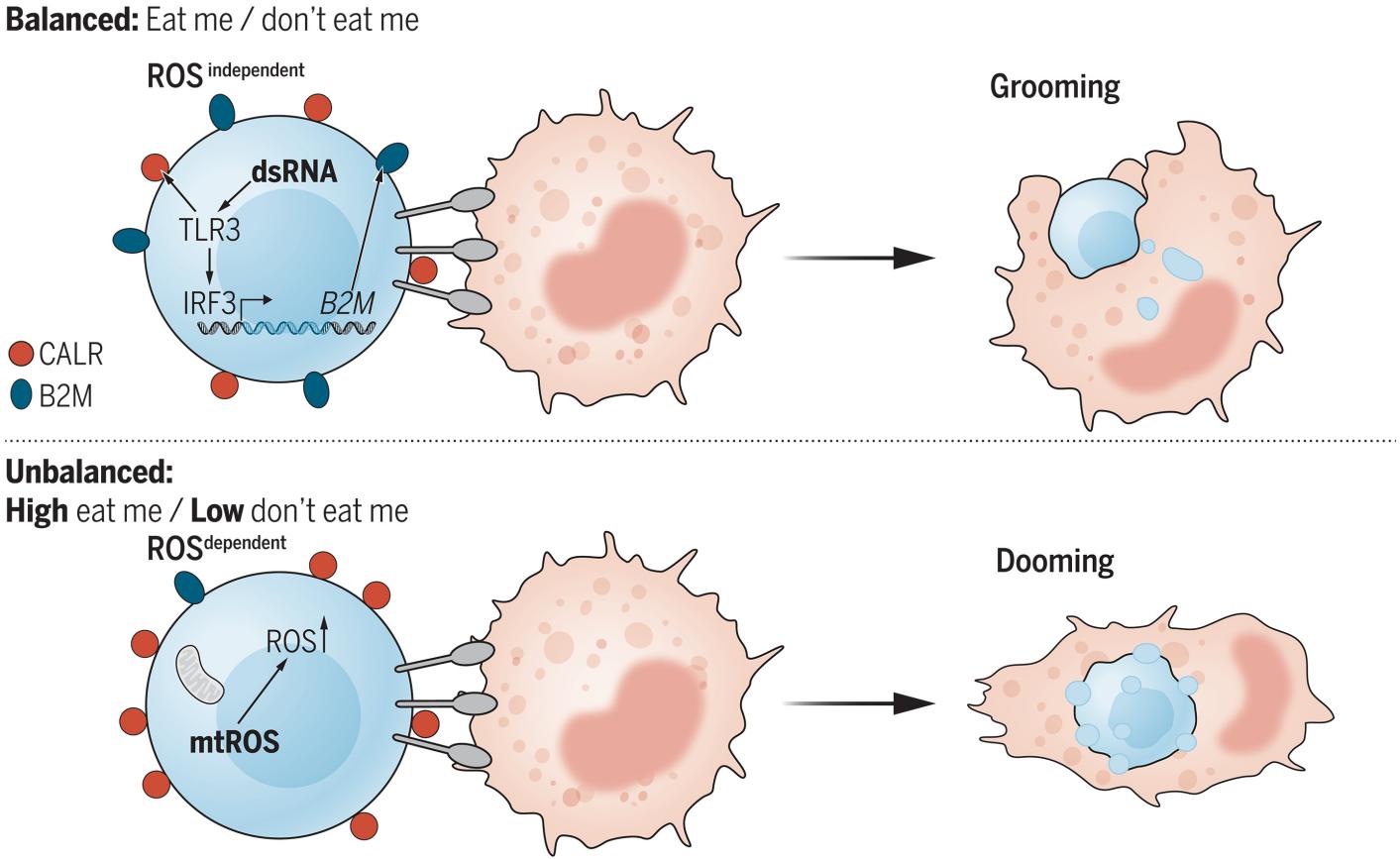
Hematopoietic stem and progenitor cells (HSPCs) spend their lives making mature blood cells. In the process, HSCs interact with a variety of cells in the bone marrow microenvironment, including macrophages. These macrophages mediate a range of processes by releasing cytokines and chemokines and patrolling to remove stressed, dead or aged cells. In this way, macrophages contribute to the maintenance of tissue homeostasis.
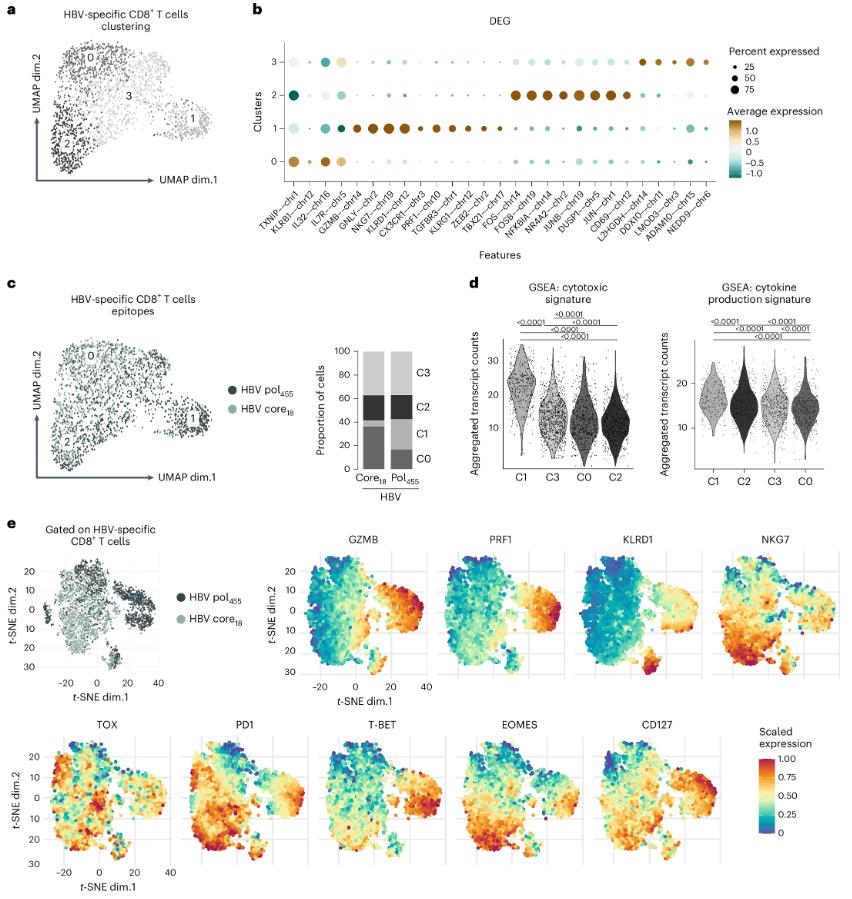
Recently, the research team of Maike Hofmann and Robert Thimme from the University of Freiburg in Germany published an article titled "Attenuated effector T cells are linked to control of chronic HBV infection" in Nature Immunology, and found that in chronic Hepatitis B virus (HBV) infection, in addition to classic CD8+T cell exhaustion, effector CD8+T cell attenuation also occurs. HBV-specific CD8+T cell attenuation is manifested by cytotoxic characteristics and inhibition of effector differentiation programs. This process is regulated by antigen recognition and TGFβ signaling and is associated with viral control in chronic HBV infection.
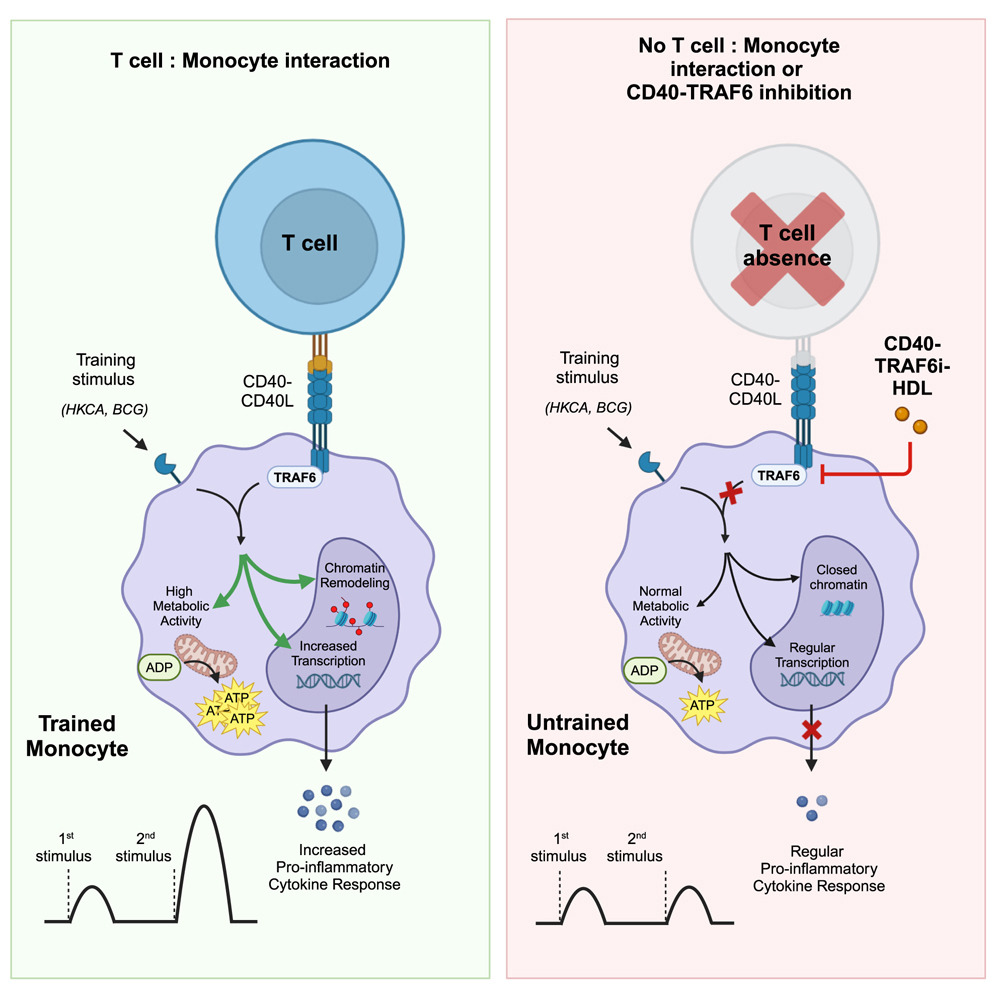
The characteristic of trained immunity is that innate immune cells undergo histone modification and metabolic changes after exposure to inflammatory signals, which will lead to an increase in the body's responsiveness to secondary stimulation. Although researchers are now increasingly beginning to understand the molecular regulatory mechanisms behind the body's trained immunity, the key role played by adaptive immune cells is still unclear.
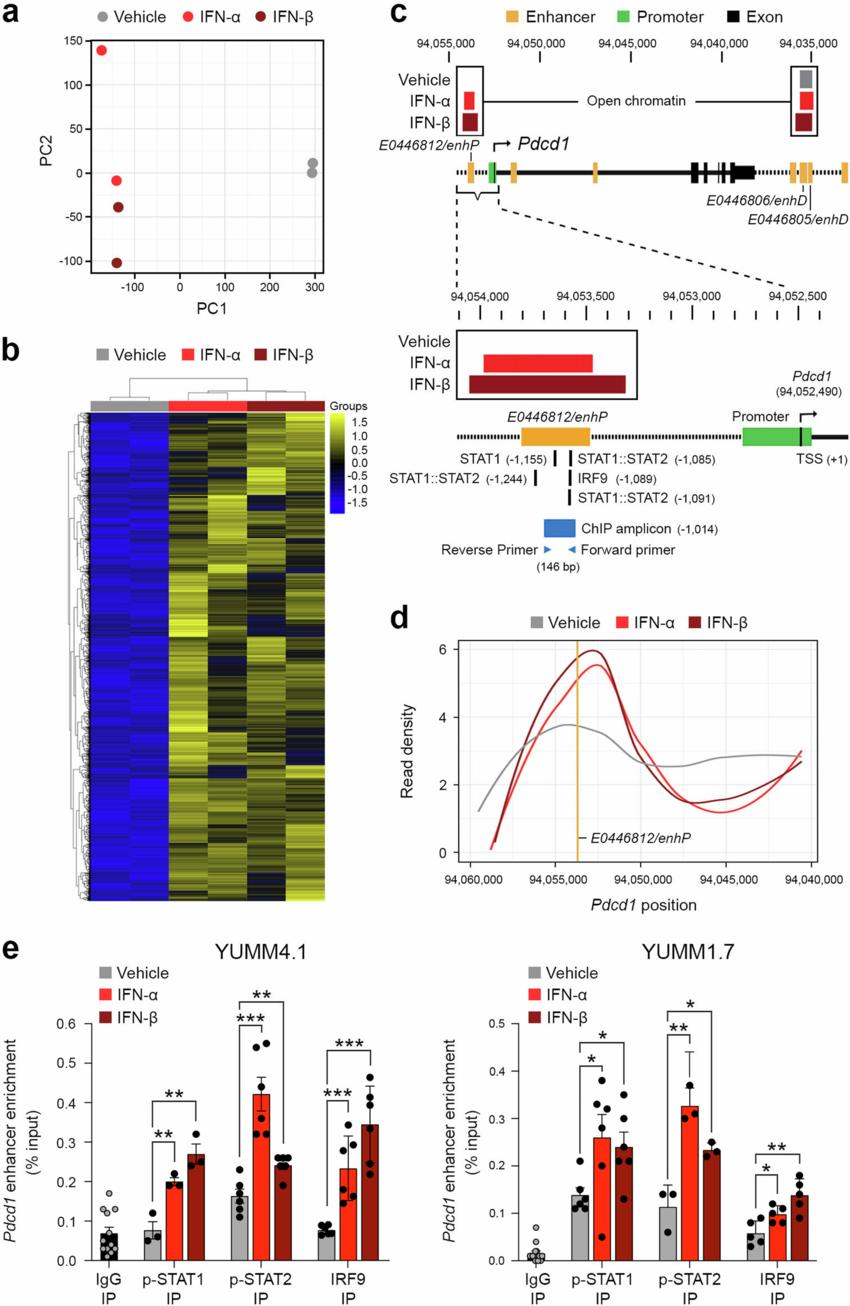
Programmed cell death 1 (PD-1) is the primary cancer drug target for immune checkpoint blockade (ICB). Since PD-1 receptor inhibition activates tumor-specific T cell immunity, researchers have mainly focused on the expression of PD-1 on T cells and its immunobiological characteristics. In contrast, researchers currently do not know what the mechanism behind the functional regulation of PD-1 in cancer cells is.
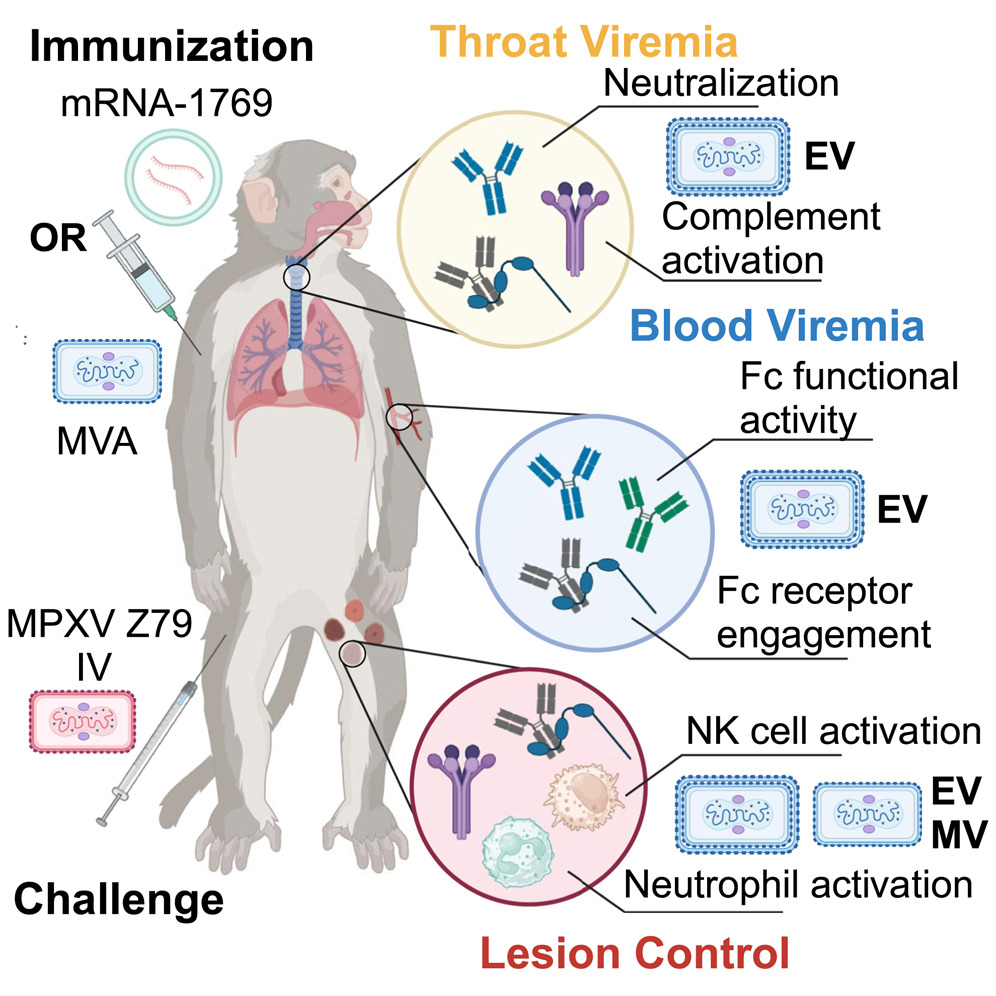
Researchers from the U.S. Army Medical Research Institute of Infectious Diseases and Moderna recently published a research paper titled "Comparison of protection against mpox following mRNA or modified vaccinia Ankara vaccination in nonhuman primates" in the journal Cell. The study compared the effectiveness of modified vaccinia Ankara (MVA) and mRNA-1769 vaccines in non-human primates. The results showed that, similar to MVA, mRNA-1769 produced a protective effect against monkeypox virus attack and further reduced symptoms and course of the disease. Compared with MVA, mRNA-1769 enhanced viral control and disease reduction, highlighting the potential of mRNA vaccines in reducing the threat of future pandemics.
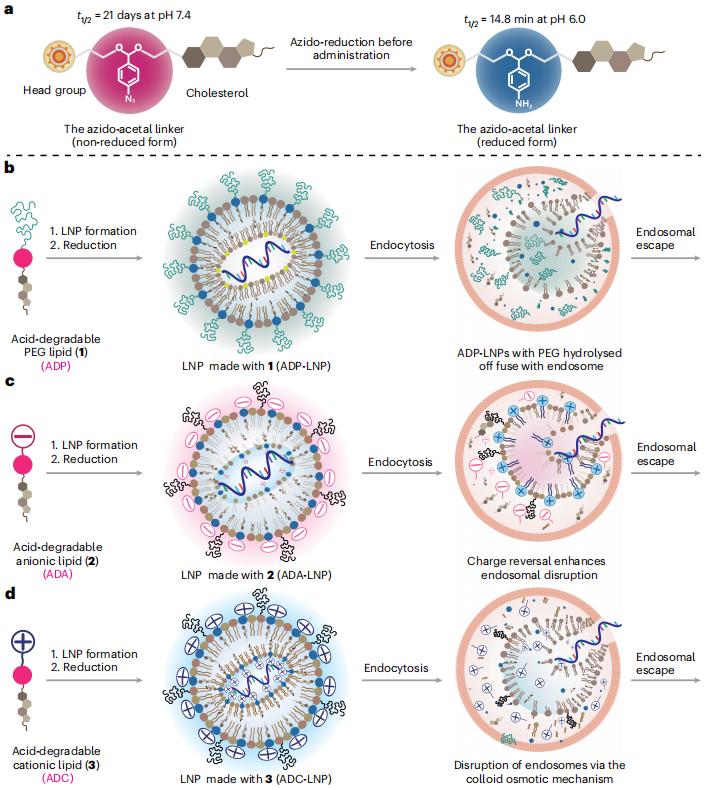
Niren Murthy from the University of California, Berkeley, Aijun Wang from the University of California, Davis, and others published a research paper titled "Acid-degradable lipid nanoparticles enhance the delivery of mRNA" in Nature Nanotechnology. The study developed an acid-degradable linker called "azido-acetal", which was used to synthesize degradable lipids composed of polyethylene glycol lipids, anionic lipids, and cationic lipids, and based on this, LNPs (RD-LNPs) that hydrolyze rapidly in endosomes were synthesized. In in vitro and in vivo experiments, RD-LNP significantly improved the performance of LNP-mRNA complexes. Compared with traditional LNPs, mRNA is more effectively delivered to the liver, lungs, spleen, and brain of mice, as well as hematopoietic stem/progenitor cells in vitro.
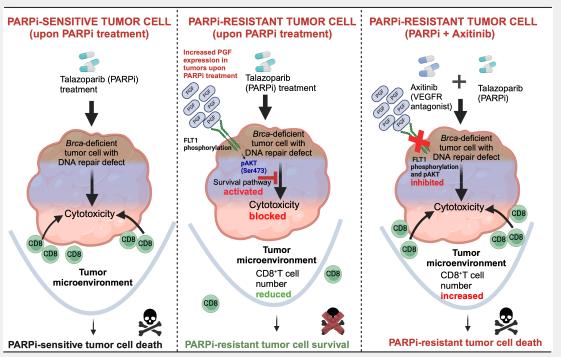
PARP inhibitors can improve the survival of breast cancer patients with BRAC1/2 mutations, but the drugs will eventually stop working and the cancer will recur. Recently, in a research report titled "FLT1 activation in cancer cells promotes PARP-inhibitor resistance in breast cancer" published in the international journal EMBO Molecular Medicine, scientists from Columbia University and other institutions discovered a new cancer drug that can prevent or slow the recurrence of cancer by studying cancer-bearing mice.